The Power of Electron Beam Welding and Integrated NTC Intelligence
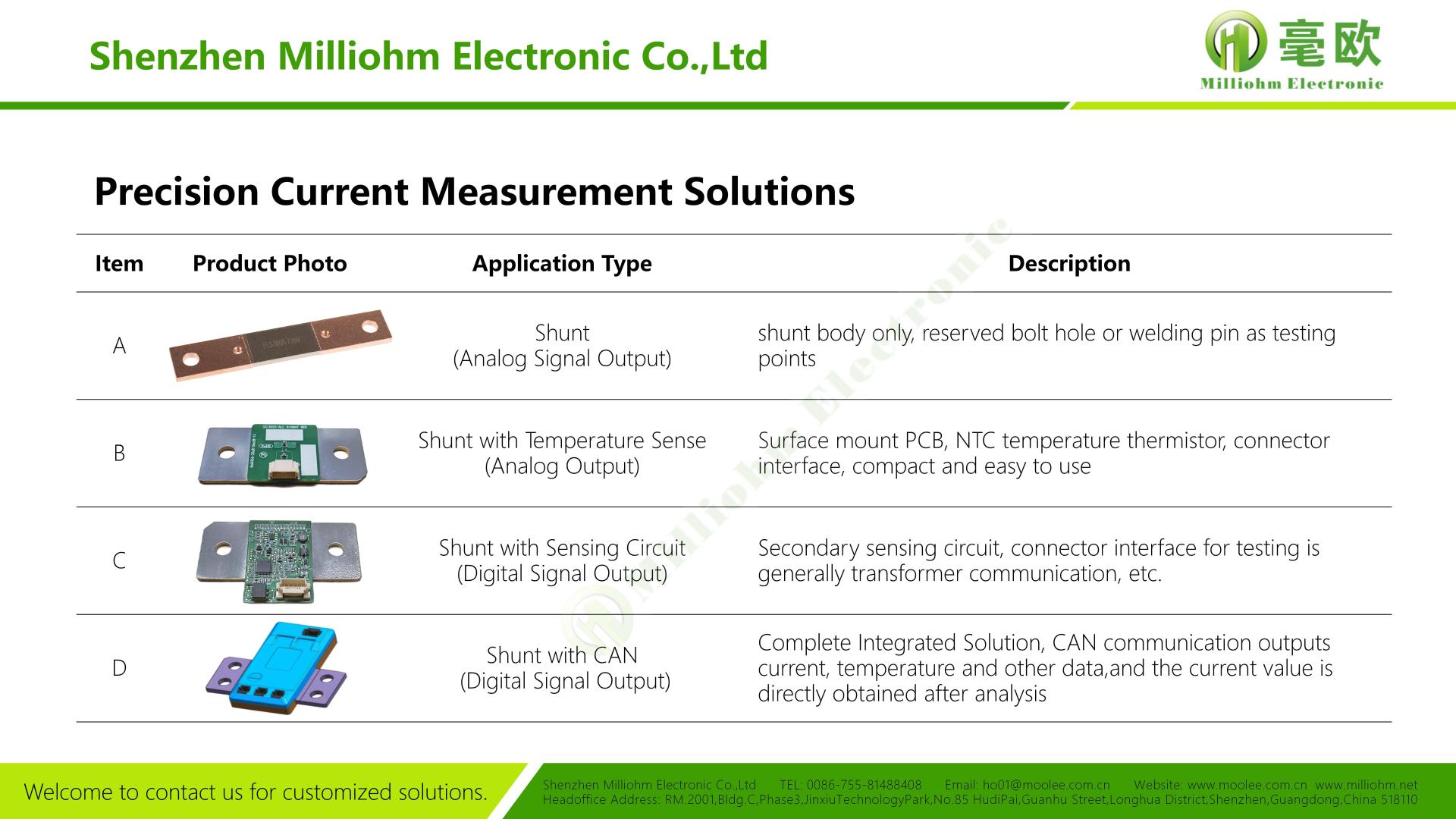
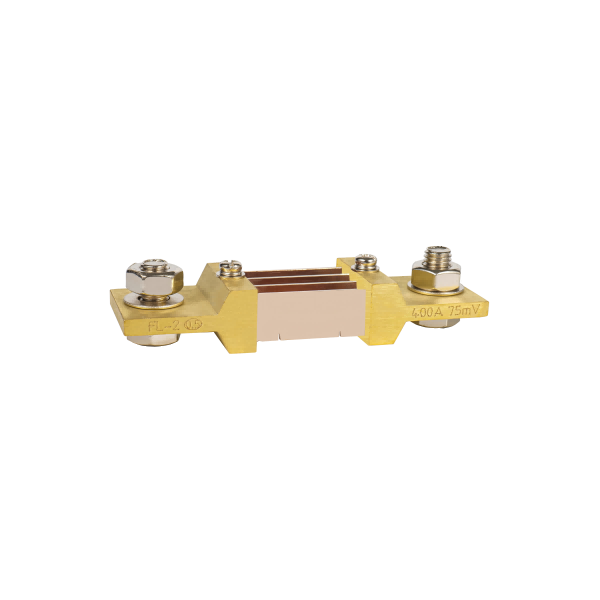
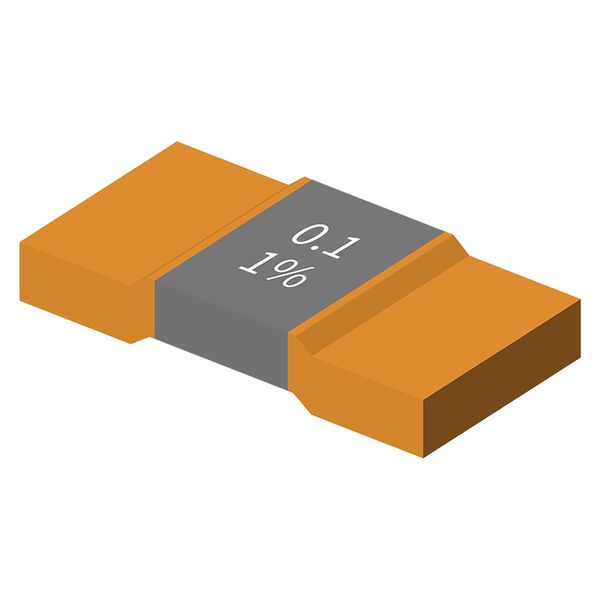
In battery and energy storage systems, the role of a shunt is to accurately measure the large current (charging or discharging current) flowing through the battery. It measures the tiny voltage drop generated when the current flows through a resistor of known low resistance, and then calculates the current value according to Ohm's law (V=IR).
Electron Beam Welded shunt is a current sensing resistor where the resistive element (often made from specialized alloys like Manganin or CuNiMn) is precisely joined to the copper terminals or busbar connections using Electron Beam Welding (EBW) technology.
Electron Beam Welding (EBW) is a fusion welding process that uses a concentrated beam of high-velocity electrons to melt and fuse materials. This process is typically performed in a vacuum.
Key Characteristics and Advantages:
High Precision & Stability: The vacuum environment and focused heat input of EBW minimize thermal stress and contamination during welding. This ensures the resistive element's properties are minimally affected, leading to highly accurate and stable resistance values over time and across temperature changes.
Low Temperature Coefficient of Resistance (Low TCR): The superior weld quality contributes to maintaining a very consistent resistance value across a wide operating temperature range. This is crucial for applications requiring high measurement accuracy in varying thermal conditions.
Low Thermal Electromotive Force (Low Thermal EMF): EBW creates exceptionally clean and homogeneous junctions between dissimilar metals. This significantly reduces the parasitic thermal EMF that can otherwise occur at connection points, which helps prevent measurement errors introduced by temperature gradients.
High Power Density & Low Self-Heating: The robust and precise welds allow for very low resistance values (often in the micro-ohm range). This means the shunt itself dissipates minimal power (I²R loss) and generates less self-heating when large currents flow through it, enhancing efficiency and reliability.
Robustness: Electron beam welds are known for their high strength and durability, making these shunts resilient against mechanical stress and thermal cycling in demanding environments.
Typical Applications: EV battery management systems, power supplies, industrial controls, motor drives, and energy metering.
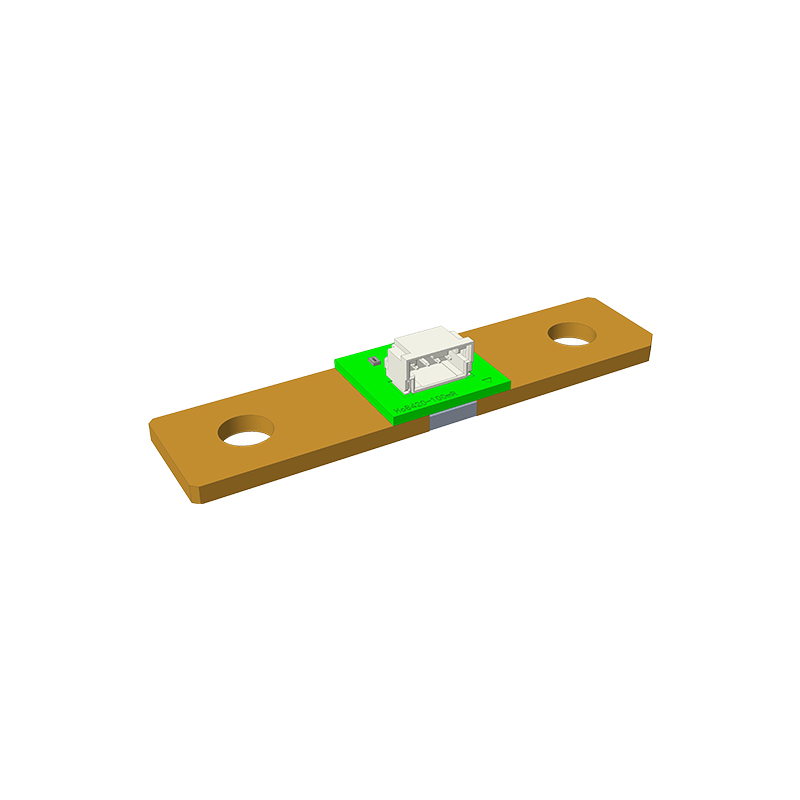
A shunt with NTC (Negative Temperature Coefficient) refers to a current sensing shunt resistor module that has an NTC thermistor integrated onto it or in close proximity. An NTC thermistor is a type of resistor whose resistance decreases significantly as its temperature increases.The integration of an NTC thermistor transforms a basic shunt into a more intelligent current sensing solution.
Purpose and Advantages:
Accurate Temperature Compensation:
Enhanced Battery Thermal Management: For battery and energy storage systems, temperature is paramount for performance and safety. The integrated NTC acts as a localized temperature sensor, enabling:
Simplified Design and Wiring: Integrating both the current sensing element and the temperature sensor into one compact module reduces the complexity of PCB design, wiring, and component count for the end-user.
Typical Applications: Battery management systems (BMS), electric vehicles, portable electronics, power tools, and any application where precise current measurement under varying thermal conditions is critical.
Shenzhen Milliohm Electronics Co., Ltd. is a national high tech enterprise which ISO 9001 and IATF 16949 certified,and specializes in the R&D, manufacture, and sales of low temperature drift, high precision alloy resistors, current measurement shunts, and related alloy materials.The company features electronic beam welding production lines capable of mass production with high reliability Electron Beam Welding.
#batteryshunt #current measurement shunts #ElectronBeamWelded shunts #automotiveshunts #MetalShunts #CurrentSensor #WeldedPrecisionResistor #voltagemeasurementdividers #Lowvaluecurrentshunts #shuntresistors #highcurrentshunts
SMT copper shunts and busbars
Milliohm Brand HoFL Series Shunt-High Stability Enabled by Precision Alloys
Related Article