SMT copper shunts and busbars


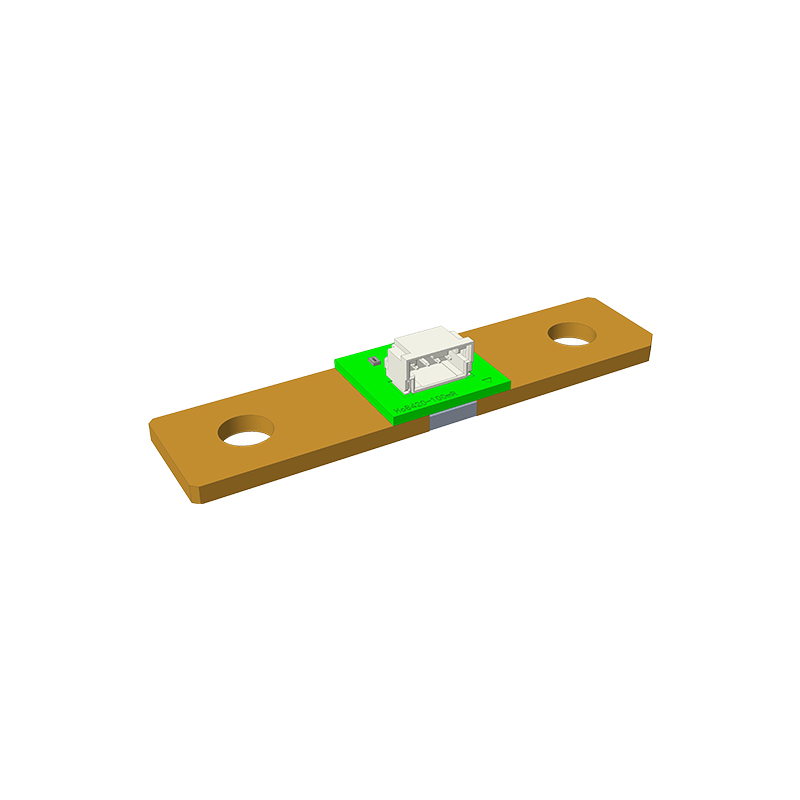
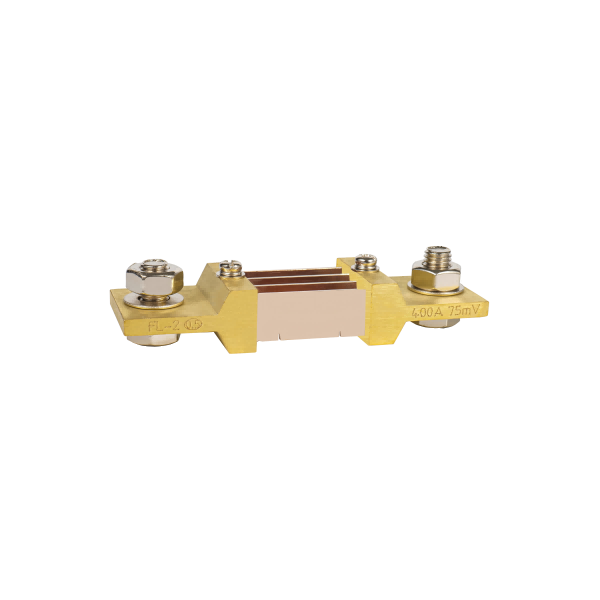
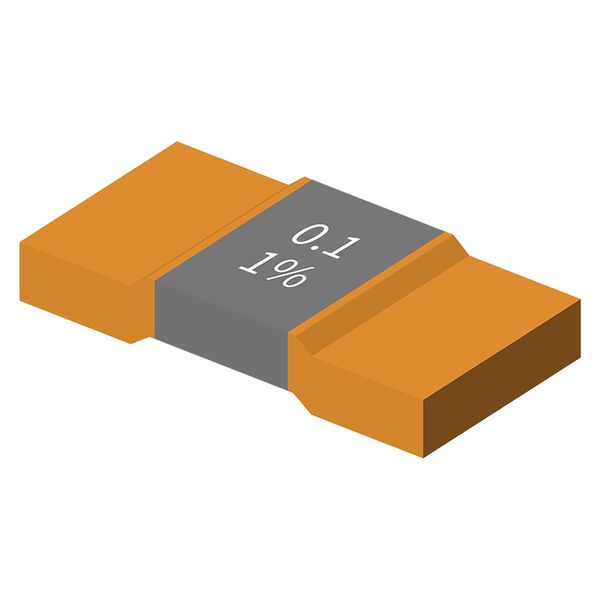
SMT copper shunts, also known as busbars or current diversion strips, are high-current solutions designed for Surface Mount Technology (SMT). They play a crucial role on circuit boards, particularly in high-power applications, by replacing traditional thick copper traces to achieve more efficient and reliable power transmission and management.
Applications
New Energy Vehicles - NEV
SMT busbars and copper shunts are widely used in the Battery Management Systems (BMS), inverters, On-Board Chargers (OBCs), and motor controllers of electric vehicles. They are crucial for handling high currents from battery packs and accurately monitoring current changes to ensure safe and efficient battery operation.
Power and Energy Storage Systems
In high-power supplies, photovoltaic inverters, and energy storage systems, SMT copper shunts serve as efficient current paths, significantly reducing resistance, energy loss, and heat generation. They are also used in high-frequency circuits to lower inductance, thereby improving the overall efficiency and reliability of the system.
Industrial Automation and Power Electronics
In industrial-grade equipment like frequency converters, servo drives, and high-power motor controllers, SMT copper shunts can function as high-current connectors and shunt resistors. Their compact design and excellent thermal conductivity make them ideal for industrial applications with limited space and strict heat dissipation requirements.
High-Current Sensing and Sampling
SMT busbars and shunts can act as special low-resistance resistors for precisely measuring large currents in a circuit. They are typically used in conjunction with an operational amplifier (op-amp) circuit to measure the voltage drop and calculate the current value, making them a core component of high-precision current sensing modules.
Replacing Traditional Thick Copper Traces
In certain high-current PCB designs, the copper foil thickness of a traditional circuit board may be insufficient to carry the required current, leading to excessive heat and potential burnout. SMT busbars can be soldered directly onto the PCB surface to provide a thicker, lower-resistance current path, replacing expensive thick-copper PCBs to reduce costs and increase reliability.
Electrical Performance
The core advantage of these components is their extremely low resistance. Typically made from high-purity copper or nickel-copper alloys, they provide a low-impedance path for high currents. This not only minimizes power loss (P=I2R) but also effectively manages heat generation, thereby improving energy conversion efficiency.
Precise Resistance Value
When used as current-sensing elements, their resistance value is strictly controlled and calibrated. Through precise geometric design and material selection, these components can provide stable, high-precision resistance values (e.g., tolerances as low as ±1% or ±0.5%), ensuring accurate current measurement.
Materials
The primary material is typically a highly conductive copper alloy, such as C11000 (E-Cu) or C10200 (OF-Cu). For applications requiring higher strength or specific performance characteristics, materials like copper-nickel alloys may also be used. The choice of material directly impacts the product's conductivity, mechanical strength, and corrosion resistance.
Surface treatment is critical for ensuring good solderability and long-term reliability. Common surface treatments include:
Tin Plating: Offers excellent solderability and corrosion resistance, suitable for most general applications.
Nickel Plating: Provides higher wear and corrosion resistance and can serve as an underlayer for subsequent gold or silver plating.
Gold/Silver Plating: Used for high-end applications that require extremely low contact resistance and superior anti-oxidation properties, though at a higher cost.
Thermal Performance
Low Thermal Resistance
Due to their high thermal conductivity, these copper components can rapidly transfer heat away from hot spots, effectively preventing localized overheating. They also act as passive heat sinks, dissipating heat into the PCB and the surrounding environment, which improves the thermal stability of the system.
Temperature Coefficient
For current-sensing applications, the material's Temperature Coefficient of Resistance (TCR) is a critical parameter. A low TCR value means the resistance changes very little with temperature, which is essential for maintaining the accuracy of current measurements across varying temperature environments.
Temperature Rise
Lower Resistance, Reduce Heat Generation
Based on Joule's law (P=I2R), heat is generated when current flows through a resistor. SMT busbars, made from highly conductive copper alloys, have extremely low resistance. This means they generate significantly less heat than traditional PCB traces when carrying high currents, effectively controlling their own temperature rise.
Excellent Thermal Conductivity, Efficient Heat Dissipation
Copper is an excellent thermal conductor. SMT busbars are soldered directly onto the PCB surface, creating an efficient thermal path. They can quickly conduct and dissipate heat generated by components into the PCB's copper layers and even the entire circuit board. This acts as a passive heat sink, reducing the temperature rise of surrounding components.
Substitute for Thick-Copper PCBs, Optimize Thermal Management
In high-current applications, designers often opt for expensive thick-copper PCBs to manage temperature rise. SMT busbars offer a more cost-effective alternative. By using these shunts on a standard PCB, you can create a localized current path with high conductivity and low thermal resistance. This effectively manages heat, preventing board warping or component failure caused by excessive temperature rise.
In summary, SMT busbars provide an excellent thermal management solution for high-power-density electronics through their dual properties of "low resistance for less heat generation" and "high thermal conductivity for efficient heat dissipation." This not only enhances system reliability but also offers engineers greater flexibility in their designs.


The Power of Electron Beam Welding and Integrated NTC Intelligence
Related Article