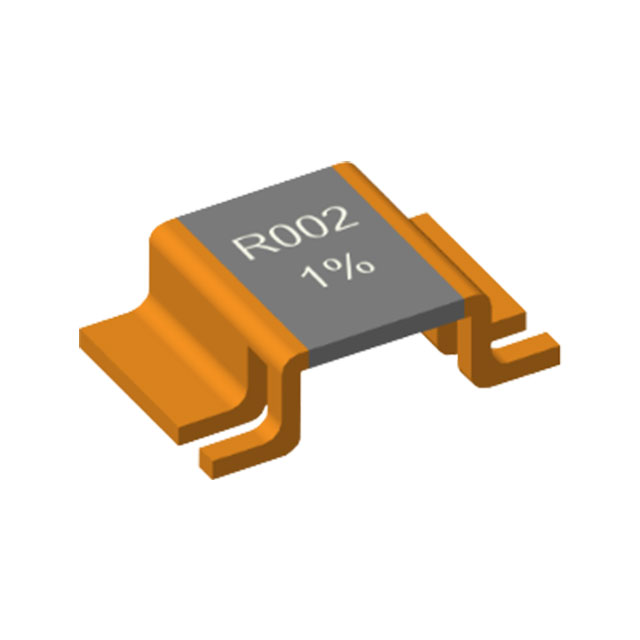
The Application and functions of encapsulated alloy resistors in small and large household appliances
author: Milliohm Electronics
2025-05-27
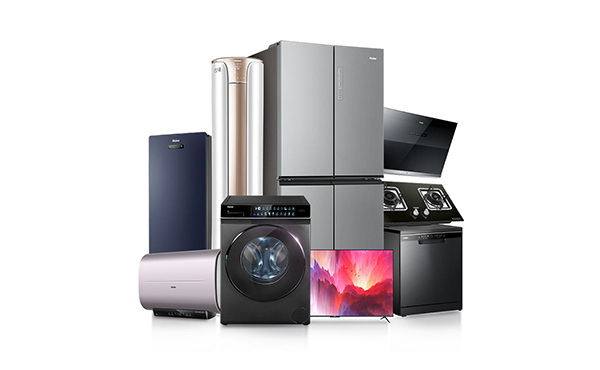
Application in small household appliances:

- Kitchen appliances (electric kettles, rice cookers, microwave ovens, ovens)
Application parts: heating element control circuit, temperature sensor module
Function: Adjust heating power by monitoring temperature changes to achieve precise temperature control (such as the insulation function of rice cookers and the heating mode switching of microwave ovens)
- Smart home devices (electronic scales, thermometers and hygrometers)
Application parts: sensor circuits, signal processing modules.
Function: As a pressure or temperature and humidity sensor, it converts physical quantities into resistance value changes to achieve data acquisition (such as weight measurement of electronic scales and environmental monitoring of thermometers and hygrometers)
- Washing machines/dryers
Application parts: water temperature detection circuit, motor control module
Function: Detect water temperature or air temperature, optimize the energy consumption and efficiency of washing/drying programs
Application in large appliances:
- Air conditioning/heating system
Application: temperature control module, compressor drive circuit.
Function: Monitor indoor temperature and feedback to the control unit to adjust cooling/heating power
- Water heater
Application: heating tube control circuit, safety protection module.
Function: Prevent overheating through temperature sensor and accurately control water temperature
- Industrial appliances (such as industrial drying equipment)
Application: temperature monitoring and feedback system.
Function: Ensure stable temperature during drying process to avoid equipment damage or product deterioration
Product Selection :
When selecting alloy resistors, the following key factors need to be considered comprehensively:
- Electrical performance parameters
Resistance value and tolerance: Need to match circuit requirements, precision applications (such as sensors) need to choose low tolerance (such as ±0.1%)
Temperature coefficient (TCR): In temperature-sensitive scenarios (such as temperature control circuits), choose low TCR (such as ±10 ppm/°C) to reduce resistance drift
Rated power: Select according to the maximum power of the circuit (formula P=I2R ), and reserve margin to cope with instantaneous overload or high temperature environment
- Environmental and physical properties
Heat dissipation design: PCB layout needs to be optimized for high-power scenarios (such as multi-layer through-holes and thermal symmetry design), and metal plate resistors or four-pin Kelvin connection resistors are preferred to improve heat dissipation efficiency
Voltage and temperature resistance: It is necessary to ensure that the resistor can withstand the maximum voltage and operating temperature of the circuit (such as high temperature environment of water heaters)
Package type: Select SMD or THT packaging according to space constraints. High-frequency applications need to avoid wirewound resistors to reduce parasitic inductance
Special scenario requirements:
- High-frequency applications: Choose low self-inductance SMD resistors
- Long-term stability: Precision instruments need to choose long-life materials to avoid resistance drift caused by aging
- Environmental protection and certification: It must comply with environmental protection standards such as RoHS, especially in exported home appliances
HoJLR1206 & HoJLR2512 : How to use in soybean milk machines/egg beaters/shavers/hook-up air conditioners/household floor scrubbers/sweepers and their functions
The application areas and methods for shunt resistors in inverters/photovoltaic/wind/hydro/hydrogen and instrumentation equipment
Related Article
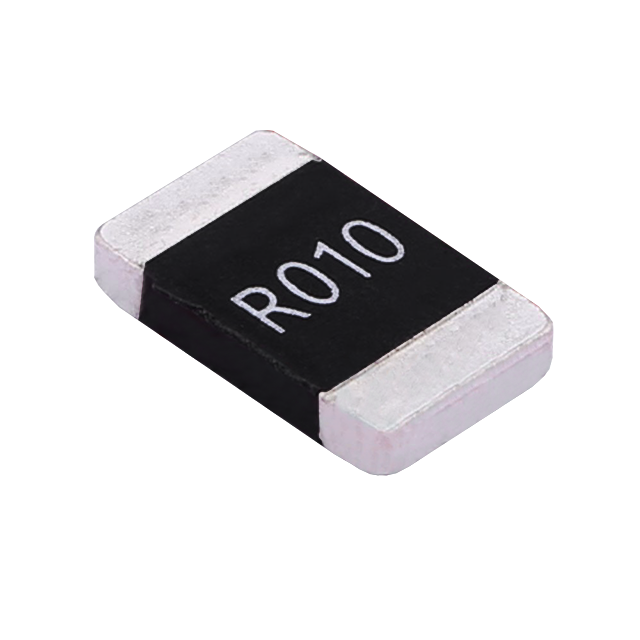
Key performance features: high power handling, ultra-low temperature drift, high overload withstand capability, low inductance at high frequency, and automotive-grade high reliability.
HoCG4527 Automotive Grade Molded Alloy Resistor
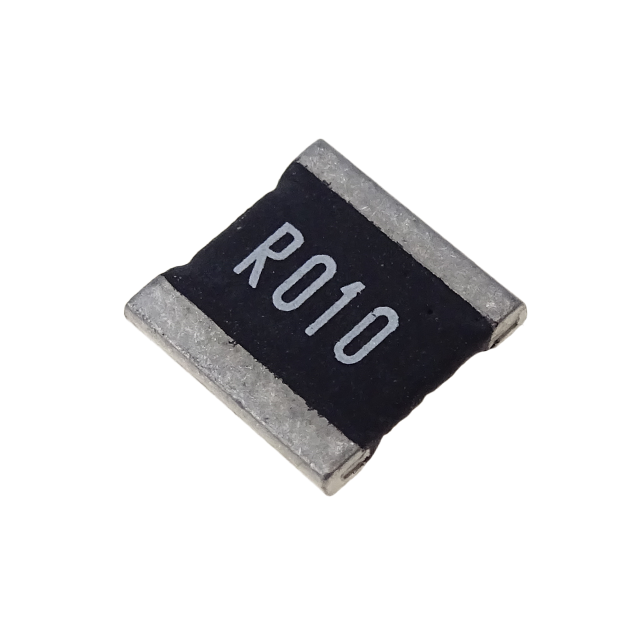
Key features: ultra-high current-carrying capability, ultra-high stability, ultra-low temperature drift, and low inductance at high frequency.
HoCG2728 Automotive Grade Molded Alloy Resistor

Alloy resistors, with their unique technical advantages—ultra-low resistance, low temperature drift, high power handling, low parasitic parameters, and strong pulse withstand capability—have become core components in current sensing, overload protection, and load matching circuits for EV charging stations.
Alloy Resistor Applications in New Energy