Optimization strategy for current transmission and thermal management
Busbars (also referred to as current-carrying bars or bus strips) are key components for current transmission in electrical systems. They are typically made from highly conductive metals, primarily T2 copper, and come in the form of bars, plates, or strips. Their main job is to create low-resistance paths between electrical components, enabling efficient current transfer while also aiding heat dissipation. Unlike conventional wires, busbars are designed with surface-contact interfaces, which help reduce contact resistance, minimize voltage drop, and cut down power losses. They also offer better resistance to vibration and mechanical shock, making them an ideal "conductive bridge" for applications such as industrial equipment, automotive electronics, and power systems.
As a nationally recognized high-tech enterprise, MilliOhm Electronics brings years of expertise in alloy material development to its busbar products. Built around T2 copper as the core material, and manufactured with precision processing and multi-layer protective treatments, these busbars deliver significant improvements in conductivity, thermal performance, and mechanical stability. They serve as a drop-in replacement for traditional wiring and standard current-carrying components, especially in demanding, high-current, and high-reliability applications.
I. Core Advantages: Four Key Features for High-Performance Applications
1. High Conductivity & Strong Current-Carrying Capability
Using T2 copper with a purity of over 99.90%, our busbars achieve a resistivity as low as 0.0172 Ω·m and a conductivity of 101% IACS — significantly outperforming brass, aluminum, and other common materials. This translates to minimal power loss during current transmission. Compared to standard PCB copper pour methods, busbars greatly enhance the current-carrying capacity of the circuit. With properly designed width and thickness, they easily support currents ranging from a few amps to several hundred amps, ensuring reliable power delivery for high-power equipment.
2. Optimized Temperature Rise & Efficient Heat Dissipation
Copper offers a thermal conductivity of up to 391 W/(m·K). When combined with a well-thought-out structural design, our busbars quickly conduct heat away from the circuit. They accelerate natural cooling by increasing the surface area exposed to air, and can also work seamlessly with forced-air or liquid cooling systems for even more efficient heat exchange. Real-world testing shows that on a six-layer PCB, adding a busbar lowers the temperature rise by as much as 24°C — helping extend equipment life and preventing performance loss due to overheating.
3. Precision Process & Reliable Protection
-
Surface finish: Electroplated coatings such as nickel, tin, or chrome provide a dense protective layer that improves oxidation and corrosion resistance while maintaining good solderability.
-
Dimensional accuracy: A 180° flattening process combined with dimensional inspection ensures excellent flatness, reducing the risk of cold solder joints and overheating, and improving mounting reliability.
-
Cleaning process: Ultrasonic cleaning and magnetic polishing remove burrs and metal particles, minimizing potential risks during use while enhancing both appearance and functionality.
-
Packaging: Tape-and-reel packaging offers protection against moisture, dust, and static electricity, supports automated SMT assembly, and reduces damage during shipping and handling.
4. Flexible Customization & Application Adaptability
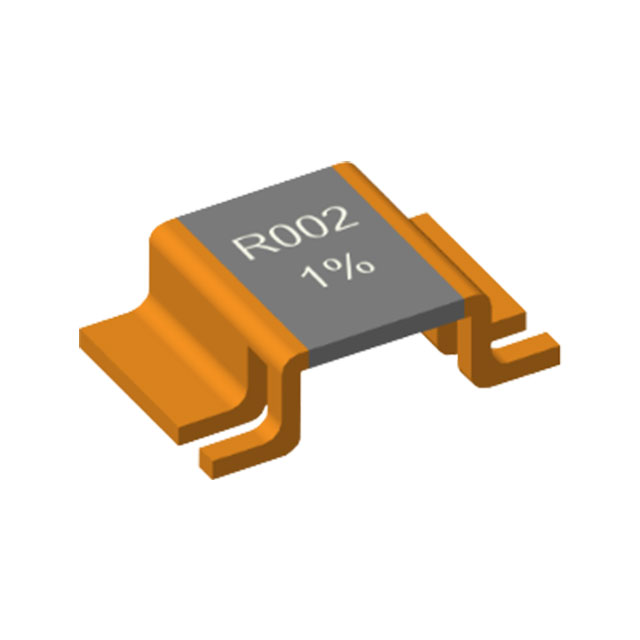
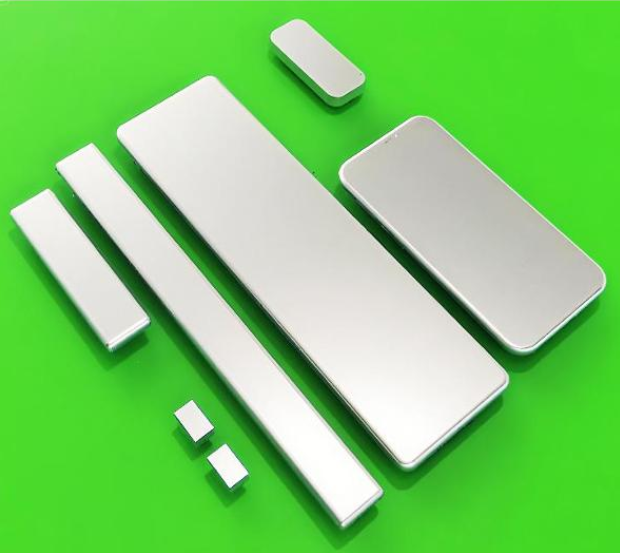
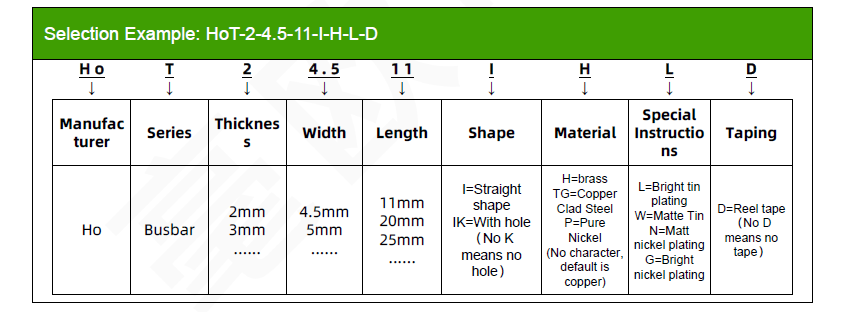
We support a wide range of structural designs, including SMD, SMD jumper, flat-coat/overmolded SMD, and through-hole jumper types. Thickness can vary from 0.3 mm to 4 mm, width from 0.8 mm to 20 mm, and length from 2 mm to 70 mm — all adjustable to meet specific needs. Custom shapes such as holed profiles or "U-shaped" designs are also available upon request. With an operating temperature range of -55°C to +170°C and compliance with ROHS and halogen-free requirements, our busbars are well-suited for installation and use in a wide variety of environments. See the example illustrations below:

II. Application Scenarios & Selection Tips
Primary Application Areas
-
Automotive & New Energy – Fast-charging stations, charging modules, EV battery circuits, motor controllers. Ideal for handling high currents and managing heat in compact spaces.
-
Industrial Equipment – Variable frequency drives (VFDs), uninterruptible power supplies (UPS), industrial motor drives, servo systems. Helps ensure stable operation and provides overload protection.
-
Power Systems – Substation connections, PV inverters, wind turbine converters. Enables efficient collection and distribution of high-voltage power.
-
Electronic Devices – High-density power modules, PCB jumpers, telecom base station power cabinets. Improves circuit layout and current transfer efficiency.
Key Selection Guidelines
-
Current-carrying requirements – Determine the required copper thickness and width based on your actual operating current, following the IPC-2152 standard. This ensures reliable performance under continuous operation.
-
Mounting method – SMD types are great for automated assembly; through-hole types offer more flexibility for PCB routing; jumper types provide better heat dissipation. Pick the one that best fits your production and design needs.
-
Environmental considerations – For hot or humid environments, go with nickel or chrome plating for added protection. If high insulation is a priority, overmolded or flat-coat versions are available.
-
Structural design tips – Keep the busbar length as short as practical to avoid PCB warpage. Also consider staggered or chain-like arrangements to help distribute current stress more evenly.
III. Summary
MilliOhm Electronics busbars are built on four key pillars: low resistance, high efficiency, reliability, and customization. With full in-house production and strict quality control at every stage, we provide practical solutions for current transmission and heat dissipation across a variety of industries.
For product specifications, custom designs, or sample requests, feel free to reach out to the MilliOhm Electronics national service team. We're here to offer professional technical support and fast, reliable delivery.

The Underrated Powerhouse: Why Wafer Resistors Are the Unsung Heroes of High-End Electronics
Built for harsh industrial environments: trapezoidal aluminum-housed resistors
Related Article