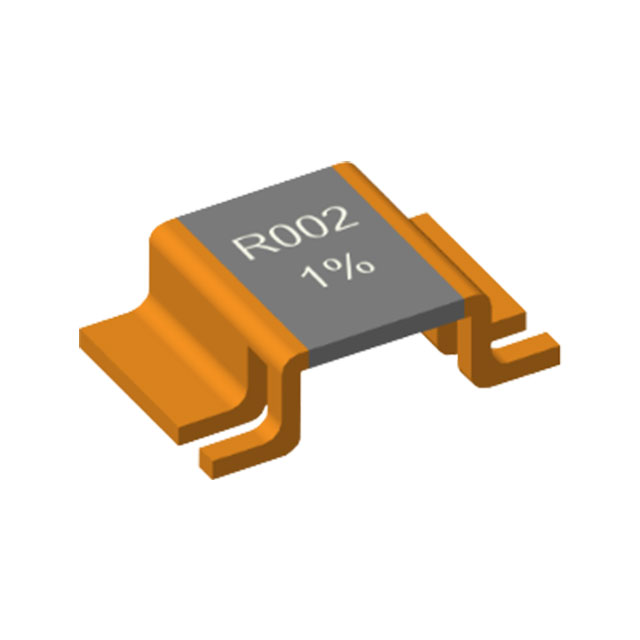
Key Precautions for Using Surface-Mount Alloy Resistors
author: Milliohm Electronic
2025-08-12
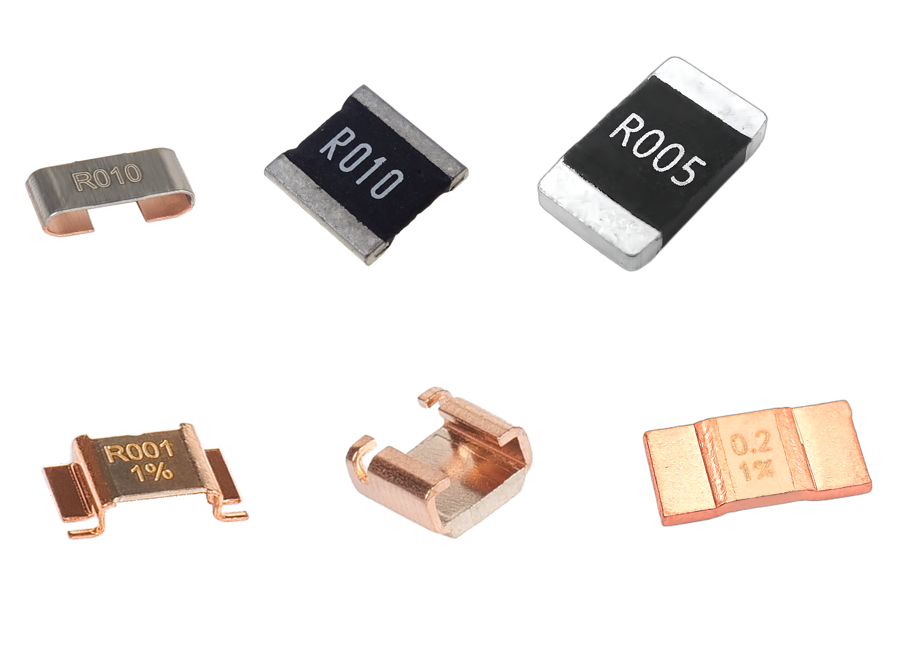
ESD Protection:
Chip alloy resistors are electrostatically sensitive components. Therefore, care must be taken to prevent static electricity during handling and installation, and avoid direct contact with the component pins.
Soldering Temperature:
During the soldering process, the soldering temperature must be carefully controlled to avoid damage caused by excessively high temperatures. Generally, the soldering temperature should not exceed 260°C.
Soldering Time:
The soldering time must also be kept within an appropriate range. Excessive soldering time can also damage the chip alloy resistor.
Mounting Location:
When using chip alloy resistors, install them in a dry, well-ventilated environment to avoid the effects of high temperatures and humidity.
Force Protection:
When installing chip alloy resistors, be careful to avoid excessive forces that may cause mechanical damage.
Selecting the Appropriate Specifications:
Choose chip alloy resistors of appropriate specifications based on the circuit design requirements. Avoid excessively high or low resistance values that may affect circuit performance.
Storage Precautions:
When storing chip alloy resistors, be careful to avoid moisture, heat, and pressure to maintain the integrity of the components.
In summary
when using chip alloy resistors, you must pay attention to careful operation to ensure the normal operation of the components and avoid damaging the components or affecting the circuit performance.
Reliability test: temperature coefficient
Application of Alloy Resistors in Automotive Battery Management System (BMS)
Related Article
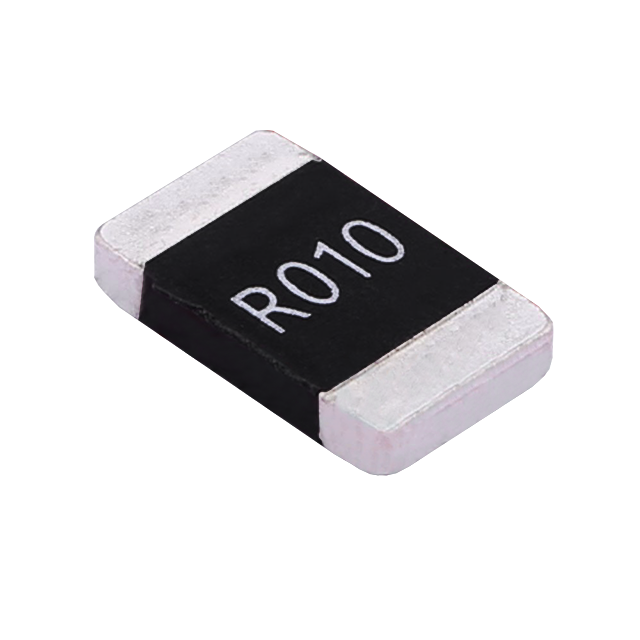
Key performance features: high power handling, ultra-low temperature drift, high overload withstand capability, low inductance at high frequency, and automotive-grade high reliability.
HoCG4527 Automotive Grade Molded Alloy Resistor
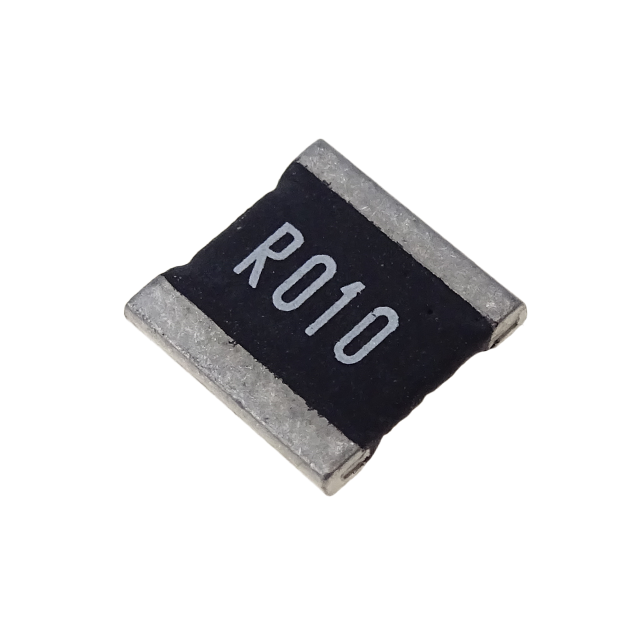
Key features: ultra-high current-carrying capability, ultra-high stability, ultra-low temperature drift, and low inductance at high frequency.
HoCG2728 Automotive Grade Molded Alloy Resistor

Alloy resistors, with their unique technical advantages—ultra-low resistance, low temperature drift, high power handling, low parasitic parameters, and strong pulse withstand capability—have become core components in current sensing, overload protection, and load matching circuits for EV charging stations.
Alloy Resistor Applications in New Energy