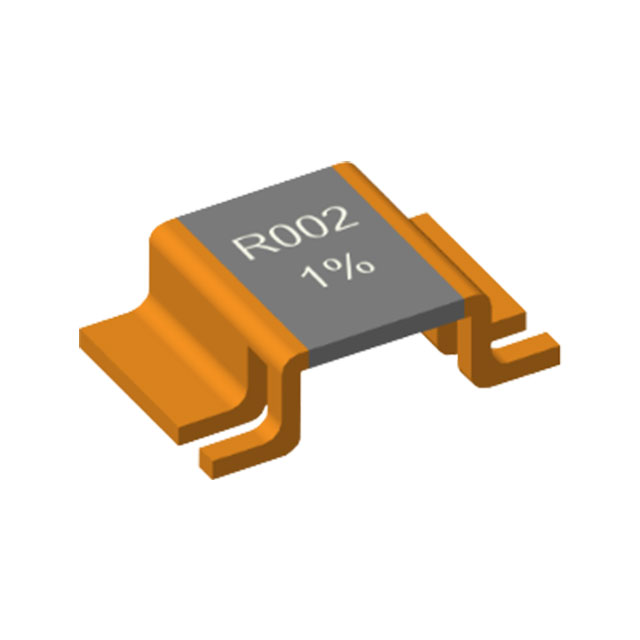
Compared to current transformers, the core application advantages of shunts
author: Milliohm Electronics
2026-01-31

I. Core Application Advantages of Shunts
Based on the principle and difference analysis in the technical article "Current Transformer vs. Shunt: Principle Breakdown and Core Differences," we can summarize the outstanding advantages of shunts in circuit applications. These advantages are also the core reasons why they are widely used in industrial control, electronic equipment, new energy, and other fields:


① AC/DC Universal, Unrestricted Application Scenarios
This is one of the most core advantages of shunts. Unlike current transformers, which can only measure AC current, shunts are based on the principle of resistance voltage drop measurement and are not limited by the type of current. Whether it is an AC circuit (such as a motor control circuit) or a DC circuit (such as lithium battery current detection, DC side of a photovoltaic inverter), they can accurately complete current measurement. In AC/DC hybrid scenarios such as new energy vehicles, photovoltaic power plants, and energy storage systems, this advantage of shunts is particularly prominent, which can greatly simplify circuit design and avoid the need to use multiple sensing elements simultaneously.
② High and Stable Measurement Accuracy
The measurement accuracy of a shunt directly depends on the accuracy of the resistance value and temperature stability. With advancements in materials technology, the temperature coefficients of high-quality resistive materials such as manganin, constantan, and kamma can be as low as a few ppm/℃. Combined with precise manufacturing processes, the accuracy of shunts can easily reach the 0.1% level, or even 0.01%. More importantly, within the rated operating current and temperature range, the resistance value of the shunt remains virtually unchanged, resulting in extremely high measurement accuracy stability. This advantage makes it the preferred choice for scenarios requiring extremely high current measurement accuracy (such as new energy, precision instruments, laboratory equipment, and high-precision power systems).
③ Compact Size and Low Cost
The structure of a shunt is extremely simple, consisting of only a single precise resistive element. It eliminates the need for complex structures such as iron cores and windings, making it very compact and easy to install in space-constrained circuits (such as small electronic devices and integrated control modules). Furthermore, its material and manufacturing costs are lower than those of current transformers. Especially in low- to medium-current measurement scenarios, the cost-effectiveness of shunts is virtually unmatched. For mass-produced electronic devices (such as energy storage, capacity testing equipment, and charging piles), using shunts can significantly reduce overall equipment costs, demonstrating a clear cost-performance advantage.
④ Simple Installation and Maintenance
The installation of a shunt is extremely simple; it only needs to be connected in series with the circuit being measured. There's no need to consider complex requirements such as winding polarity or insulation isolation (in DC circuits, only the current direction needs to be considered to ensure it doesn't affect the measurement results; no additional adjustments are required). Maintenance is minimal; only periodic checks for overheating, damage, or poor contact are necessary, resulting in extremely low maintenance costs. In contrast, current transformers require strict adherence to polarity requirements, and the secondary side must never be open-circuited. Maintenance also requires checking core losses and winding insulation, making them more demanding, and improper operation can lead to safety hazards.
⑤ Strong Anti-interference Capability
The core of a current transformer generates electromagnetic interference and is also susceptible to external electromagnetic interference (such as from nearby transformers or motors), thus affecting measurement accuracy. A shunt, as a purely resistive element, does not generate electromagnetic interference and has stronger anti-interference capabilities. In complex industrial environments (such as factory workshops or substation perimeters), the measurement stability of a shunt is more guaranteed, effectively avoiding measurement errors caused by electromagnetic interference.
⑥ Wide Measurement Range Coverage The measurement range of a shunt can be flexibly adapted by adjusting the resistance value, covering everything from tiny currents in the milliampere range (such as standby current in electronic devices) to large currents in the kiloampere range (such as high-current power supply circuits in industrial applications). Simply select the appropriate resistance value and power rating based on the measured current and the allowable voltage drop (typically a standard value of 75mV or 100mV). The selection logic is simple, unlike current transformers which require consideration of complex parameters such as winding turns and turns ratio.
II. Summary: How to Select the Right Model Accurately?
1. For high-voltage isolation scenarios, current transformers are preferred.
2. For DC scenarios, AC/DC hybrid scenarios, high-precision measurement scenarios, space-constrained scenarios, or cost-sensitive scenarios, shunts are preferred.
3. If the measurement range covers from milliamperes to kiloamperes and requires flexible adaptation to different scenarios, shunts are a better choice.
In general, shunts are increasingly widely used in industrial control, new energy, and electronic equipment fields due to their advantages such as AC/DC compatibility, high precision, low cost, ease of maintenance, and strong anti-interference capabilities. Current transformers, on the other hand, still occupy an important position in high-voltage isolation scenarios. In practical applications, it is necessary to rationally select appropriate current sensing elements based on factors such as specific circuit type, current range, accuracy requirements, and cost budget to ensure stable circuit operation and accurate control.

This document is subject to change without notice. For further information on products or solutions, or specific application scenarios, please feel free to contact technical support.
Application of alloy resistors in lighting
Application of alloy resistors in the charging pile industry
Related Article
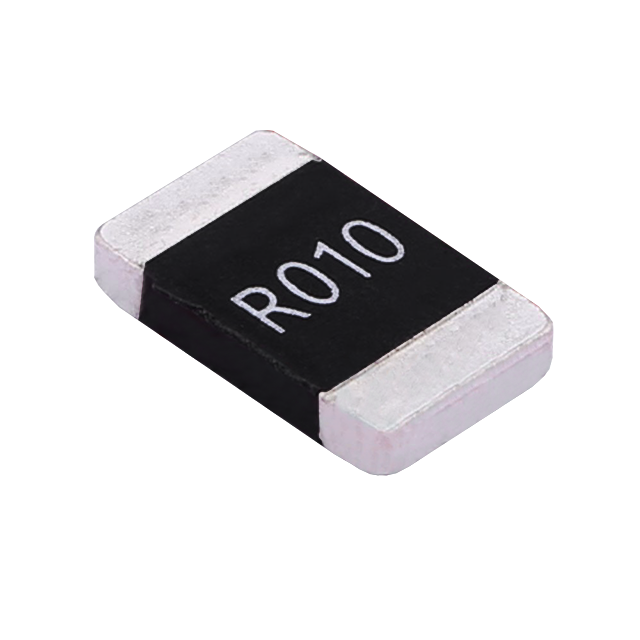
Key performance features: high power handling, ultra-low temperature drift, high overload withstand capability, low inductance at high frequency, and automotive-grade high reliability.
HoCG4527 Automotive Grade Molded Alloy Resistor
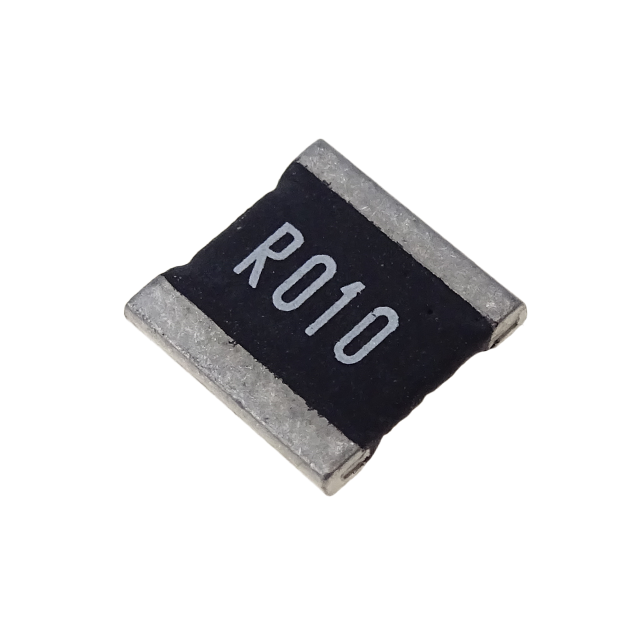
Key features: ultra-high current-carrying capability, ultra-high stability, ultra-low temperature drift, and low inductance at high frequency.
HoCG2728 Automotive Grade Molded Alloy Resistor

Alloy resistors, with their unique technical advantages—ultra-low resistance, low temperature drift, high power handling, low parasitic parameters, and strong pulse withstand capability—have become core components in current sensing, overload protection, and load matching circuits for EV charging stations.
Alloy Resistor Applications in New Energy