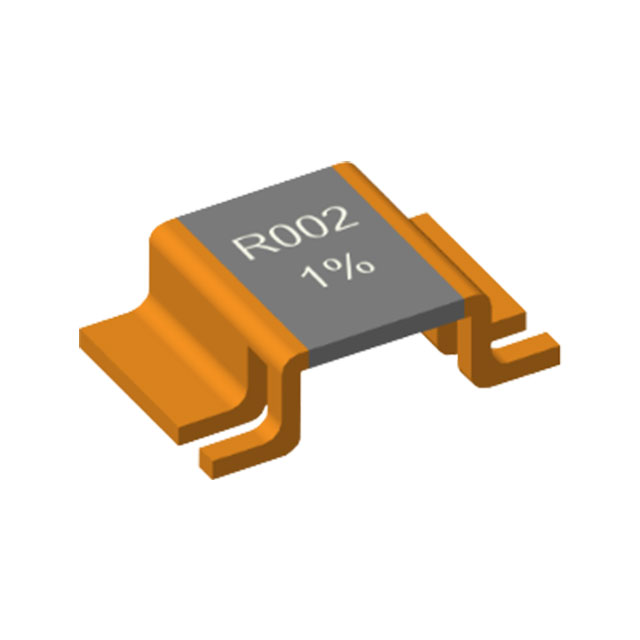
HoFL2 Series Wide Temperature Range Shunts—Ideal for Current Sensing
author: Milliohm Electronics
2025-12-15

I. Application Principle: The Core of Precise Detection
The HoFL2 series shunts operate based on Ohm's law. When current flows through the shunt, a voltage drop proportional to the current is generated across its terminals. By measuring this voltage drop and combining it with the known resistance of the shunt itself, the magnitude of the detected current can be accurately calculated. This principle is simple and direct, yet it enables high-precision current detection, providing a solid foundation for current monitoring in various electrical systems. The current coefficient, crucial for current detection applications, is key to ensuring the effective implementation of this principle.
II. Performance advantages: High precision, low TCR, wide temperature range
① Ultra-high precision: Accuracy up to ±0.01%, enabling precise detection of current changes in circuits with extremely high precision requirements, such as charging piles, battery management systems, frequency converters, and UPS, ensuring stable system operation.
② Low temperature coefficient (TCR): Typical temperature coefficient as low as ±50pm/℃, with some high-quality products as low as ±25pm/℃. Resistance changes are minimal even under environments with significant temperature fluctuations.
③ Wide temperature range: Temperature range of -40℃ to 70℃, which is generally narrower than conventional shunts on the market (temperature range of -20℃ to 50℃). These shunts are prone to performance fluctuations in extreme temperature environments, resulting in reduced accuracy of actual current sampling, or even malfunction. They can be widely used in outdoor power equipment, industrial sites in cold regions, high-temperature workshops, and other scenarios with large temperature differences, ensuring stable operation in different seasons and ambient temperatures.
② Low temperature coefficient (TCR): Typical temperature coefficient as low as ±50pm/℃, with some high-quality products as low as ±25pm/℃. Resistance changes are minimal even under environments with significant temperature fluctuations.
③ Wide temperature range: Temperature range of -40℃ to 70℃, which is generally narrower than conventional shunts on the market (temperature range of -20℃ to 50℃). These shunts are prone to performance fluctuations in extreme temperature environments, resulting in reduced accuracy of actual current sampling, or even malfunction. They can be widely used in outdoor power equipment, industrial sites in cold regions, high-temperature workshops, and other scenarios with large temperature differences, ensuring stable operation in different seasons and ambient temperatures.
④ Low thermoelectric potential and low inductance: Low thermoelectric potential means that the additional voltage generated by the temperature difference between the two ends is minimal when the temperature changes, reducing the impact on the accuracy of current detection; the low inductance characteristic makes it respond quickly when dealing with high-frequency current changes and can accurately capture instantaneous changes in current.
III. Applications
① Industrial Automation: In current monitoring of various industrial equipment, it can provide real-time and accurate feedback of current information, helping the system to accurately control the equipment's operating status and ensure stable production.
② New Energy: Current monitoring is crucial for both solar and wind power generation systems. It can provide reliable current data for these systems, contributing to the efficient operation and energy management of new energy equipment.
③ Automotive Electronics: Compliant with IATF 16949 standards, it meets the high standards of reliability and stability required by automotive electronics and can be applied to systems such as motor control and battery management in automobiles.
④ Power Electronics: In power electronic equipment such as inverters and rectifiers, it can accurately detect current changes, providing key data for equipment control and protection, ensuring safe and efficient equipment operation.
② New Energy: Current monitoring is crucial for both solar and wind power generation systems. It can provide reliable current data for these systems, contributing to the efficient operation and energy management of new energy equipment.
③ Automotive Electronics: Compliant with IATF 16949 standards, it meets the high standards of reliability and stability required by automotive electronics and can be applied to systems such as motor control and battery management in automobiles.
④ Power Electronics: In power electronic equipment such as inverters and rectifiers, it can accurately detect current changes, providing key data for equipment control and protection, ensuring safe and efficient equipment operation.
IV. Conclusion
The HoFL2 series shunts, with their scientific application principles, wide range of applications, superior performance, and well-defined technical specifications, have become leaders in the field of current sensing. Whether in industrial production, new energy development, or automotive electronics, they provide accurate and reliable current sensing services, helping your equipment and systems operate efficiently and stably. Choose the HoFL2 series shunts, choose quality and peace of mind!
If you are currently designing circuits, consider using the milliohms electronic wide-temperature FL2 series shunts. They will bring higher accuracy and more stable performance to your system, helping your more reliable and high-end products stand out in the market.
High-performance choice: HoFL3T shunt, upgraded current sensing version
HoT-D (Plastic Encapsulated - D): High Current Surface Mount Jumper 0R Resistor
Related Article
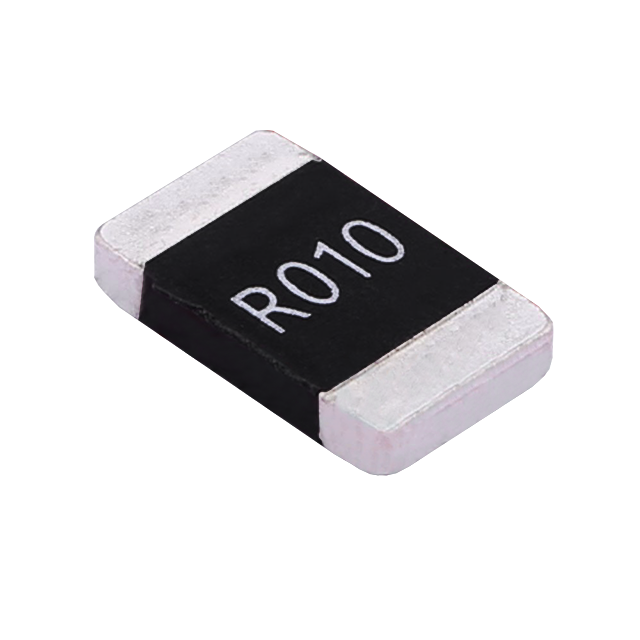
Key performance features: high power handling, ultra-low temperature drift, high overload withstand capability, low inductance at high frequency, and automotive-grade high reliability.
HoCG4527 Automotive Grade Molded Alloy Resistor
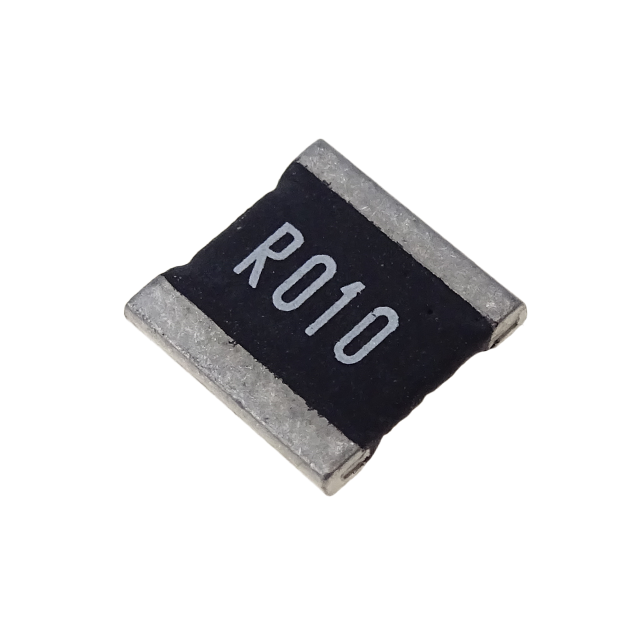
Key features: ultra-high current-carrying capability, ultra-high stability, ultra-low temperature drift, and low inductance at high frequency.
HoCG2728 Automotive Grade Molded Alloy Resistor

Alloy resistors, with their unique technical advantages—ultra-low resistance, low temperature drift, high power handling, low parasitic parameters, and strong pulse withstand capability—have become core components in current sensing, overload protection, and load matching circuits for EV charging stations.
Alloy Resistor Applications in New Energy