Application advantages and selection recommendations of alloy resistors in on-board chargers (OBC)
author: Milliohm Electronic
2025-10-23
I:Advantages of alloy resistors in OBC applications
① Low resistance and high power density, suitable for high-current scenarios
As a core component in electric vehicle charging, the OBC must handle high AC currents input from the grid (such as single-phase 220V/16A or three-phase 380V high current), as well as high DC currents from the internal DC/DC converter.
Alloy resistors typically have extremely low resistance (milliohm or microohm range). When connected in series in the main circuit, their own power dissipation (P=I²R) is minimal, which does not significantly affect circuit efficiency and avoids overheating caused by excessive power dissipation.
In contrast, ceramic, carbon film, and metal film resistors typically have higher resistance (above the ohm range). If used for high-current sampling, they will generate significant power dissipation and heat, making them unsuitable for the high-current scenarios of OBCs. While wirewound resistors can achieve low resistance, they are bulky and have low power density, making them difficult to meet the requirements of miniaturized OBC designs.
② High Precision and Low Temperature Coefficient Ensure Sampling Reliability
OBCs require extremely high current sampling accuracy (e.g., errors must be controlled within ±1% and 0.1%), directly impacting charging control precision, protection logic response (e.g., overcurrent protection threshold), and power calculation accuracy.
Alloy resistors, made of copper-nickel alloys (such as Kama, Constantan, and Manganese Copper), offer extremely high initial resistance accuracy (typically ±0.01% to ±1%) and a very low temperature coefficient (typically ±5 to ±50ppm/°C). This means that even in the wide operating temperature range (-40°C to 125°C and even higher) of the OBC, the resistance value is minimally affected by temperature fluctuations, ensuring a stable current sampling signal and preventing control errors or protection malfunctions caused by temperature drift.
Carbon film resistors have low accuracy (typically ±5% to ±10%) and a high temperature coefficient (-100 to +500ppm/°C), making them unable to meet high-precision requirements. While wirewound resistors offer higher accuracy, their overall temperature stability is still inferior to alloy resistors due to the temperature coefficient of the wire.
③ High surge withstand capability to handle transient surges
When starting up an OBC, plugging in or unplugging the charging plug, or experiencing grid fluctuations, transient surge currents (such as capacitor charging surges or sudden changes in inductive loads) are generated. If the resistor cannot withstand this, it may burn out, resulting in charging interruption or device damage.
The alloy materials used in alloy resistors (such as manganese copper, kama, and iron-chromium-aluminum) offer excellent mechanical strength and high-temperature resistance. Their structural design (such as bare die packaging or large electrode packaging for large heat dissipation areas) quickly dissipates transient heat, enabling them to withstand large surge currents (e.g., 10-100 times the rated current, lasting several milliseconds).
The film layer of carbon film/metal film resistors is relatively thin, making surge currents more susceptible to film burnout. While wirewound resistors can withstand certain surges, the insulation between the wires can break down due to transient high temperatures, resulting in lower reliability.
④ Low parasitic inductance reduces high-frequency interference
OBCs contain high-frequency switching circuits (for example, the MOSFET switching frequency of a DC/DC converter can reach tens to hundreds of kHz). If the sampling resistor has parasitic inductance, it will generate additional inductive reactance (XL = 2πfL) at high frequencies, causing sampled signal distortion and affecting the stability of the control loop.
Alloy resistors, through planar structural design (such as surface-mount resistors) and material composition, can keep parasitic inductance to extremely low levels (typically < 3nH), virtually eliminating any impact on high-frequency signal sampling.
Wirewound resistors, due to the coiled wire, have high parasitic inductance (typically > 10nH), which can significantly interfere with high-frequency sampling. While carbon film/metal film resistors have lower parasitic inductance, they are limited by power and precision, making them a poor substitute for alloy resistors.
II.Recommended selection of alloy resistors for OBC
① Voltage and Current Detection
In the PFC and DC-DC circuits of an OBC, current and voltage detection accuracy plays a crucial role in improving charger efficiency.
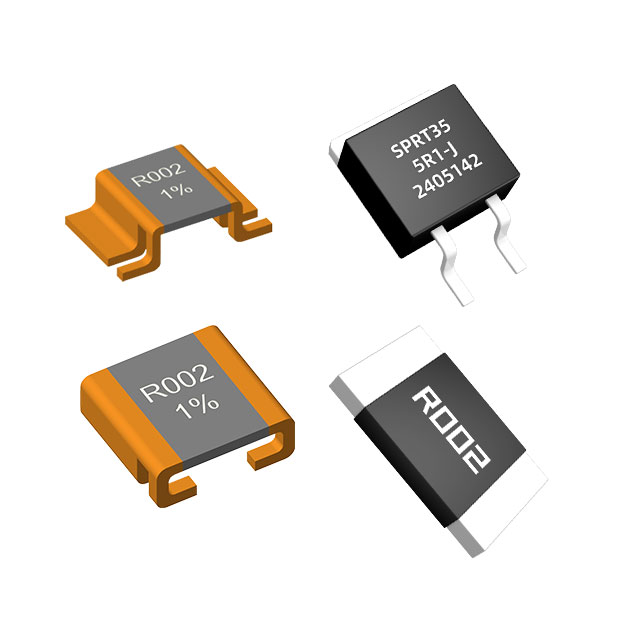
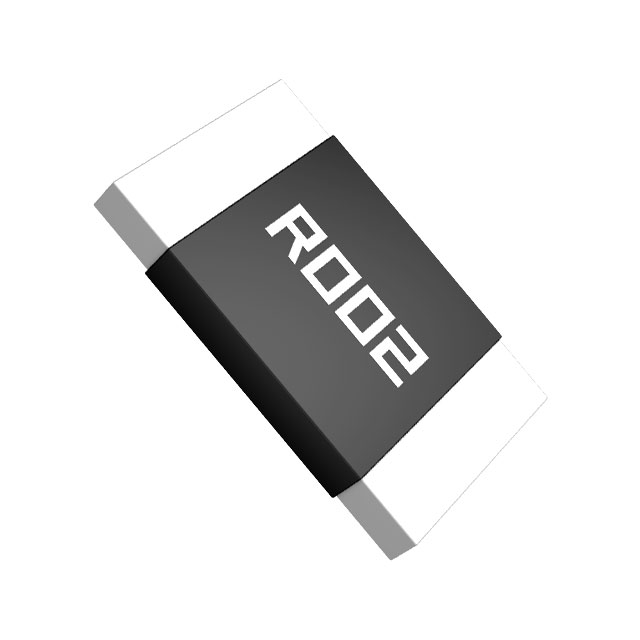
Figure 1 below shows Milliohm Electronics' proprietary automotive-grade sealed alloy resistor series. Utilizing state-of-the-art electron beam welding technology, they achieve low temperature drift and high precision. This ensures extremely high voltage/current detection accuracy while also adapting to low resistance variation over a wide temperature range. Parasitic inductance can be controlled below 3nH, minimizing high-frequency circuit interference. This means that voltage/current detection remains accurate, stable, and reliable throughout the vehicle's lifespan.

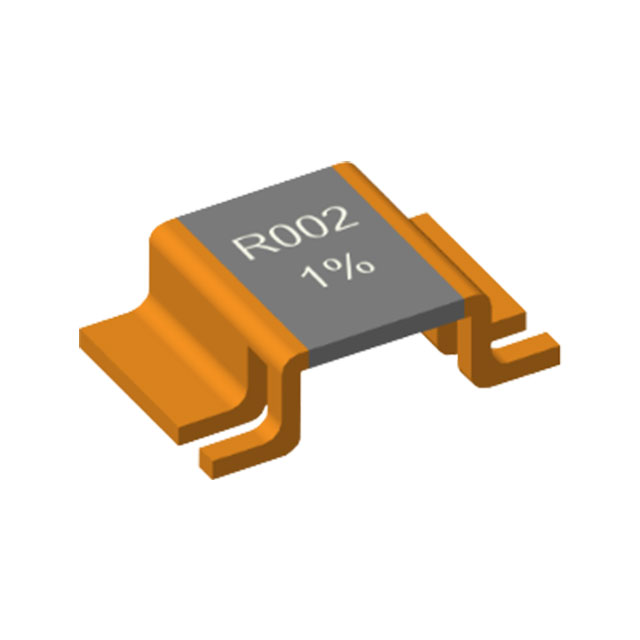
For products with high current draw or poor heat dissipation, consider the Milliohm exposed alloy resistors, such as the VB and BB series, as shown in Figures 2 and 3 below. These packages increase power while also allowing for a higher height on the PCB. This significantly improves heat dissipation efficiency, whether using natural or air-cooled cooling. This also further reduces resistance drift caused by wide temperature variations and enhances sampling accuracy.
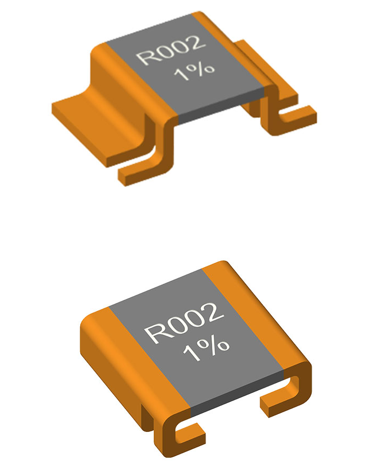
The VB and BB series utilize Kelvin packaging, minimizing the interference caused by lead and contact resistance on measurement results, which can limit measurement accuracy. Resistance variations can also be caused by the resistance of the electrode. Due to the increased height of the VB and BB series, routing signal lines through cutout areas during circuit board layout can be optimized. The VB and BB series alloy resistors offer precision control to 0.1%, temperature drift to ±10 to ±150ppm/°C, and parasitic inductance below 3nH
② Active and Passive Discharge Circuits
For the active and passive circuits within the circuit, Milliohm Electronics' power resistor series can be used. The TO263 package shown below offers a maximum power rating of 35W. Compared to other resistors, it can withstand higher currents and short-term temperature shocks.
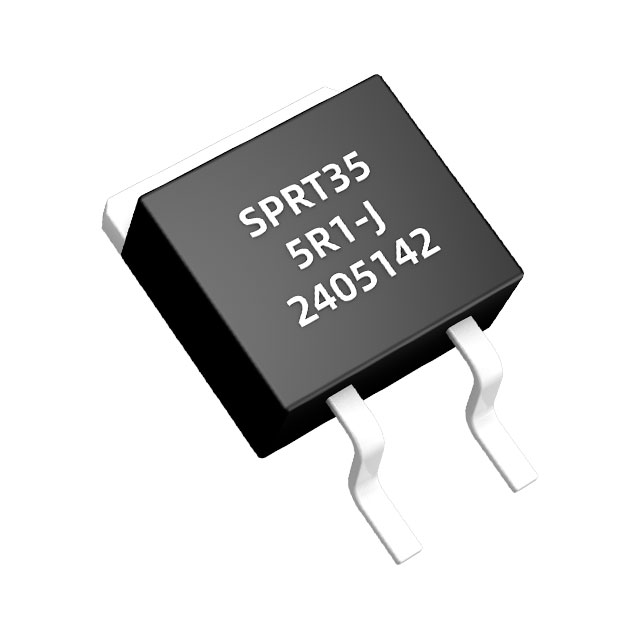
III. Summary
Alloy resistors, with their four core advantages of low resistance and high precision, high pulse withstand capability, low parasitic inductance, and strong environmental adaptability, perfectly match the requirements of OBCs for high-current sampling, high-frequency interference resistance, and reliability in harsh environments. They have become key components for current detection and protection in on-board chargers.
Milliohm Electronics is committed to providing the latest component solutions for the electric vehicle industry to meet evolving technological demands, delivering higher performance and sustainable development for our customers' products. This provides greater design flexibility.
Alloy resistor heat dissipation design: a hierarchical strategy from source to system
Derating principles for alloy resistors
Related Article
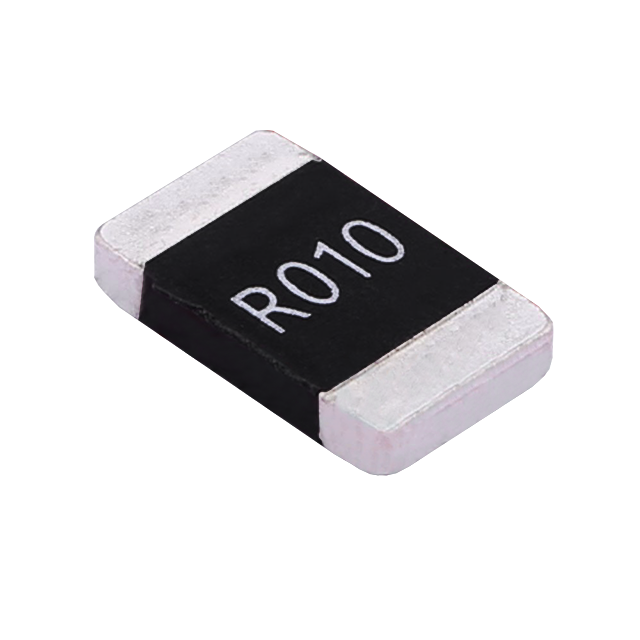
Key performance features: high power handling, ultra-low temperature drift, high overload withstand capability, low inductance at high frequency, and automotive-grade high reliability.
HoCG4527 Automotive Grade Molded Alloy Resistor
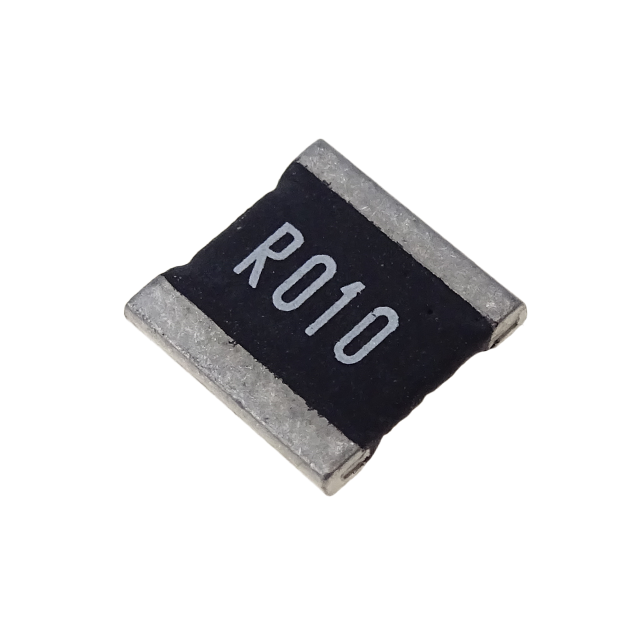
Key features: ultra-high current-carrying capability, ultra-high stability, ultra-low temperature drift, and low inductance at high frequency.
HoCG2728 Automotive Grade Molded Alloy Resistor

Alloy resistors, with their unique technical advantages—ultra-low resistance, low temperature drift, high power handling, low parasitic parameters, and strong pulse withstand capability—have become core components in current sensing, overload protection, and load matching circuits for EV charging stations.
Alloy Resistor Applications in New Energy