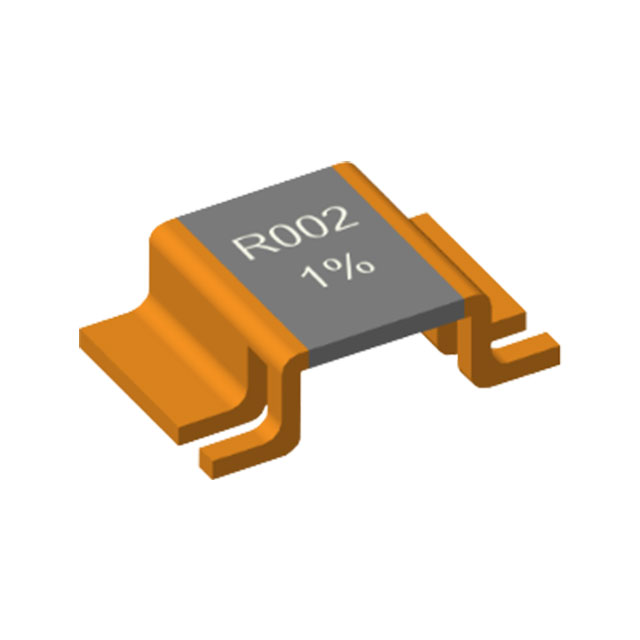
Application of Alloy Resistors in Automotive Battery Management System (BMS)
author: Milliohm Electronic
2025-07-16

Alloy resistors, with their excellent electrical performance and environmental adaptability, have become the core components of automotive BMS for current detection, temperature compensation, equalisation control and other key aspects. In this paper, we will start from the technical characteristics of alloy resistors and explain their typical application scenarios and advantages in automotive BMS.
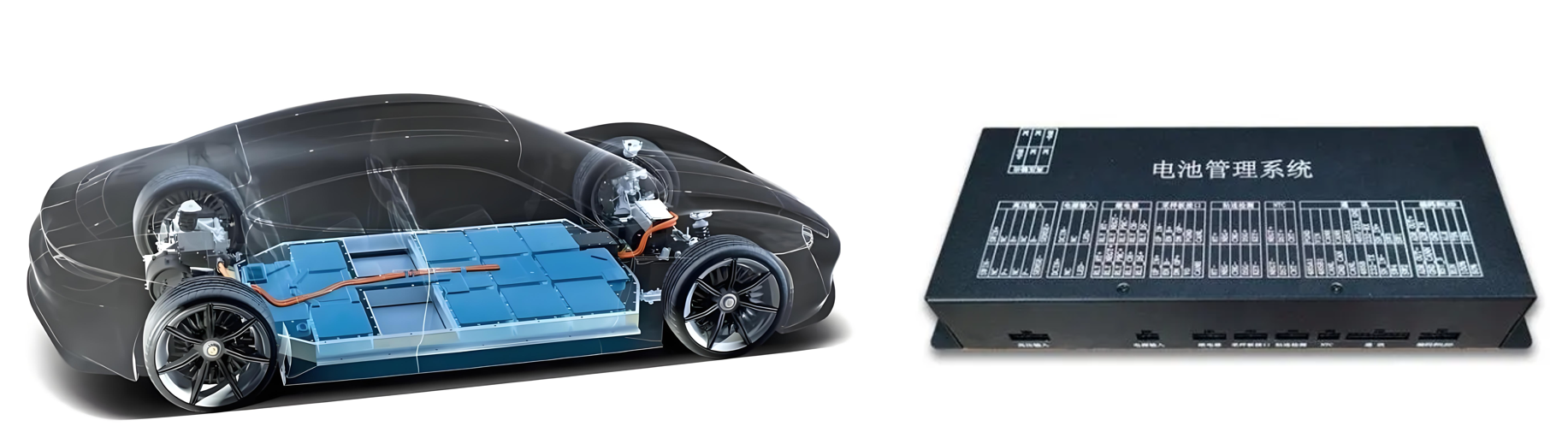
I. Technical characteristics and selection basis of alloy resistors
1. Core performance indicators
1) High precision and low temperature coefficient Alloy resistors are usually made of nickel-chromium (NiCr), manganese copper (CuMn), Kama and other alloy materials through precision processing technology. Their temperature coefficient of resistance (TCR) can be controlled below ±5ppm/°C, which is much lower than ordinary carbon film or metal film resistors. For example, the HoLRS series bare manganese copper alloy resistors of Milliohm Electronics have a resistance value change rate of 0.1% within the temperature range of -55°C~+170°C, which can meet the high-precision detection requirements of BMS in a wide temperature environment.
2) High power carrying capacity The current detection module in the automotive BMS often needs to withstand large currents of tens to hundreds of amperes. The alloy resistor can achieve a combination of milliohm-level low resistance (such as 0.1mΩ~100mΩ) and high rated power (1W~50W) by increasing the conductor cross-sectional area and optimizing the pin structure.The anti-electromagnetic interference alloy material has uniform conductivity, little skin effect, and stable impedance characteristics under high-frequency conditions. It meets the use requirements in harsh environments such as automobile engine compartments and battery packs.
2. Key factors in selection
In BMS design, the selection of alloy resistors needs to comprehensively consider the following parameters:
1) Rated current and overload capacity: According to the maximum operating current and short-circuit protection requirements of the battery pack, reserve 20%-30% of the current margin;
2) Package form: SMD patch type (such as 2512, 5930, 3920 package) is suitable for compact layout, and plug-in type (such as MELF package) is convenient for high-current welding;
3) Contact resistance and welding reliability: The four-terminal Kelvin connection structure is used to eliminate the influence of lead resistance.
II. Typical application scenarios of alloy resistors in BMS
1. High-precision current detection
In the current acquisition circuit of BMS, the alloy resistor is connected in series in the main circuit of the battery pack as a sampling resistor, and the real-time current is calculated by measuring the voltage drop across it. Technical advantages:
1) Low thermoelectric potential effect (<1μV/°C) avoids the interference of temperature changes on the sampling signal;
2) Non-inductive design (inductance < 3nH) eliminates the influence of high-frequency noise on the current waveform.
2. Battery balancing control
In the battery pack balancing circuit, the alloy resistor is used to limit the balancing current to ensure that the voltage difference of the single cell is controlled within 5mV during the charging and discharging process. When the voltage of a battery cell exceeds the average voltage by 0.05V, the balancing module releases excess energy through the alloy resistor, and the continuous balancing time can reach several hours. Design points:
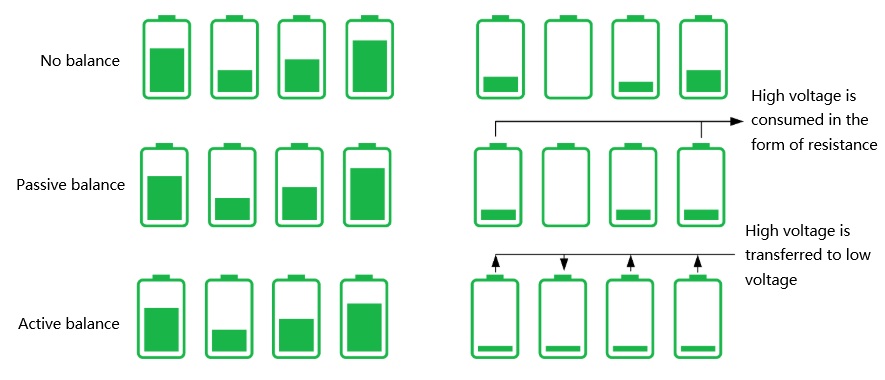
1) The resistor power must meet the power consumption under the maximum balancing current;
2) The parallel multi-resistor array is used to realize the flexible configuration of the balancing current.
3. Temperature compensation and thermal management
BMS monitors battery temperature through NTC thermistors while using the low TCR characteristics of alloy resistors for temperature compensation. In the voltage sampling circuit, a 0.1% precision alloy resistor and a voltage divider resistor are connected in series to reduce the temperature drift error from ±2% to ±0.3%.
4. High-voltage interlock and short-circuit protection
In the high-voltage interlock (HVIL) circuit, alloy resistors are used to detect the connection status of the high-voltage circuit. When the connector is loose, the change in loop resistance triggers the BMS to cut off the main relay, and the response time is less than 10ms. In the short-circuit protection module, the alloy resistor cooperates with the fuse to achieve fast fusing when overcurrent occurs, and the fusing time is inversely proportional to the square of the current.
III. Application improvement and optimization solutions
1. The impact of temperature rise on detection accuracy
When the current exceeds the rated value, the temperature rise of the alloy resistor causes the resistance value to drift, affecting the sampling accuracy. Solutions include:
1) Use thermal simulation software (such as Flotherm) to optimize the resistor layout and increase the heat dissipation copper foil area;
2) Select ADC chips with temperature compensation function to correct the resistance change in real time.
2. Interference problem of parasitic parameters
Under high-frequency conditions (such as dv/dt pulses when the motor starts and stops), the resistor pin inductance and PCB parasitic capacitance resonate, causing the sampling signal to oscillate. Optimization measures:
1) Use four-terminal/six-terminal (such as Milliohm Electronics LRS7998) detection method to separate the current path and the voltage sampling path;
2) Shorten the length of the resistor pin and use a low dielectric constant PCB board (such as FR-4 TG150).
IV. Conclusion
Alloy resistors have become the core components for automotive BMS to achieve precise control and safety protection due to their high precision and high reliability. With the continuous advancement of new energy vehicle technology, the performance requirements for alloy resistors will develop towards higher precision, lower power consumption, and more intelligent directions. Through material innovation, structural optimization and system integration, alloy resistors will play a more important role in the next generation of BMS, helping to improve the range and safety of electric vehicles. Milliohm Electronic has a wide range of alloy resistor products and can provide comprehensive technical support and consulting answers for products. It can bring higher precision and more stable performance to your circuit, helping more reliable and high-end products stand out in the market.
Key Precautions for Using Surface-Mount Alloy Resistors
Principles and Applications of Current Sensing
Related Article
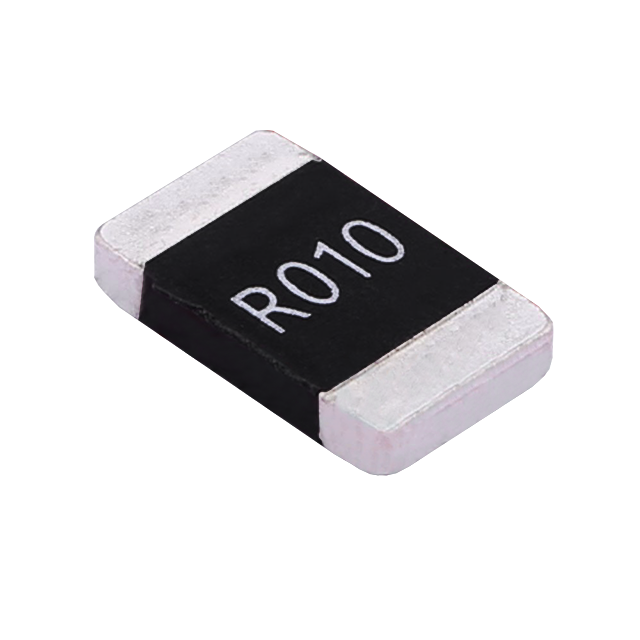
Key performance features: high power handling, ultra-low temperature drift, high overload withstand capability, low inductance at high frequency, and automotive-grade high reliability.
HoCG4527 Automotive Grade Molded Alloy Resistor
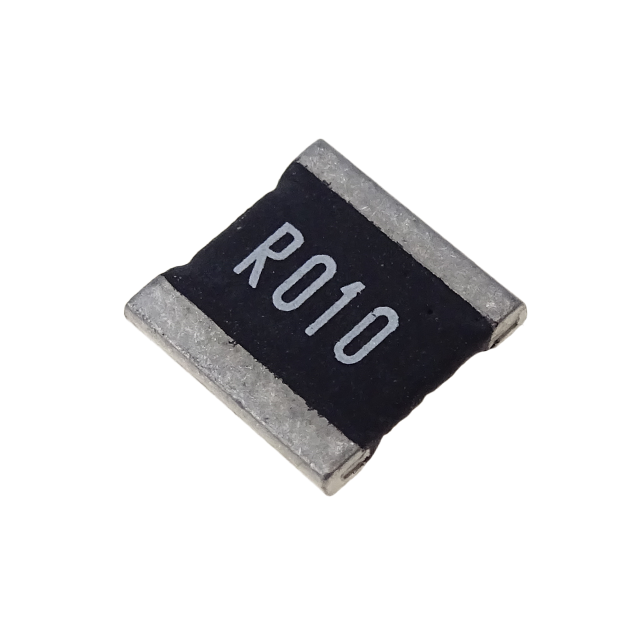
Key features: ultra-high current-carrying capability, ultra-high stability, ultra-low temperature drift, and low inductance at high frequency.
HoCG2728 Automotive Grade Molded Alloy Resistor

Alloy resistors, with their unique technical advantages—ultra-low resistance, low temperature drift, high power handling, low parasitic parameters, and strong pulse withstand capability—have become core components in current sensing, overload protection, and load matching circuits for EV charging stations.
Alloy Resistor Applications in New Energy