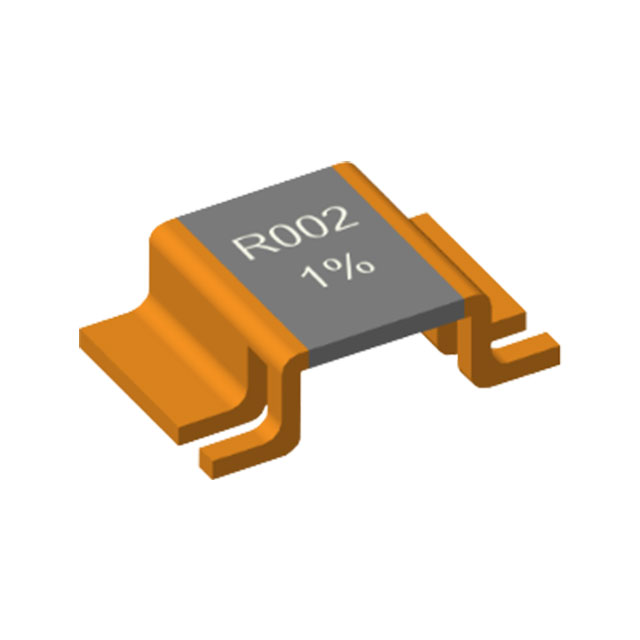
HoJLR1206 & HoJLR2512 : How to use in soybean milk machines/egg beaters/shavers/hook-up air conditioners/household floor scrubbers/sweepers and their functions
author: Milliohm Electronics
2025-06-27

1.Soymilk maker
- Application location: heating tube control circuit or temperature detection module.
- Function realization:
Temperature sensing: alloy resistor is encapsulated in the metal probe and directly contacts the liquid. The soymilk heating temperature (range -40~300℃) is monitored in real time by the change of resistance value with temperature. When the temperature reaches the boiling point, the change of resistance value triggers the controller to stop heating to prevent overflow 26.
Overcurrent protection: connected in series in the heating tube circuit, by detecting current abnormality (such as dry burning causing current surge), automatically cut off the power supply to protect the mainboard
2. Egg Beater
- Application location: motor drive circuit or battery management module.
- Function realization:
Motor speed control: connect alloy resistors in series in the DC motor circuit, change the current by adjusting the resistance value, and thus control the motor speed (such as manual gear switching).
Temperature protection: the motor may overheat after long-term operation, and the built-in alloy resistor detects the temperature. When the threshold is exceeded, the circuit is disconnected to prevent burning.
Battery management: in the intelligent egg beater, the alloy resistor is used to detect the charging current and cooperate with the chip to realize constant current charging control
3. Shaver
- Application location: charging circuit or motor control board.
- Function realization:
Overcurrent protection: In the motor power supply circuit, the alloy resistor detects the working current. If the blade is blocked and the current exceeds the limit (such as >3A), the resistor triggers the protection circuit to shut down the output.
Temperature compensation: Precision alloy resistors are used to compensate for the temperature drift of lithium batteries during charging and improve charging accuracy
4. Wall mounted air conditioner
- Application location: temperature sensor or electronic expansion valve control circuit.
- Function realization:
Ambient temperature sensing: alloy resistor is installed on the evaporator or air outlet to monitor the room temperature. The change of resistance value is fed back to the controller to adjust the compressor power to achieve precise temperature control.
Current sampling: In the fan drive circuit, the alloy resistor (milliohm level) detects the current in real time to achieve variable frequency speed regulation and overload protection
5.Household floor scrubber/sweeper
- Application location: battery management system (BMS) or motor drive module.
- Function realization:
Battery charge and discharge management: alloy resistors are used to detect charge and discharge currents (such as 2A continuous current) and cooperate with BMS chips to prevent overcharge/overdischarge. For example, the power is automatically cut off when the voltage is <2.9V.
Motor control: In the brushless motor driver, milliohm alloy resistors sample phase currents, and achieve precise torque control through algorithms to improve cleaning efficiency.
Ground detection: Some models use resistors to sense the ground material (such as carpet/ceramic tiles) and automatically adjust the suction force (changes in resistance value reflect motor load differences)

The application principles and specific methods of constantan wire and manganese copper wire resistors in induction cookers
The Application and functions of encapsulated alloy resistors in small and large household appliances
Related Article
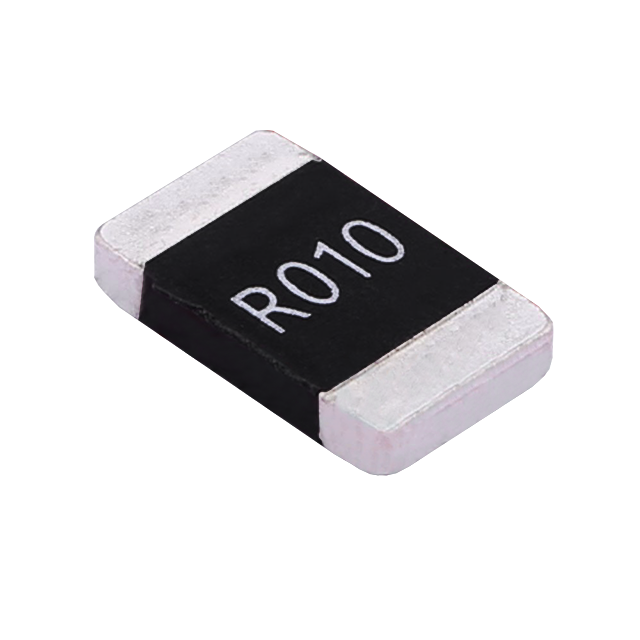
Key performance features: high power handling, ultra-low temperature drift, high overload withstand capability, low inductance at high frequency, and automotive-grade high reliability.
HoCG4527 Automotive Grade Molded Alloy Resistor
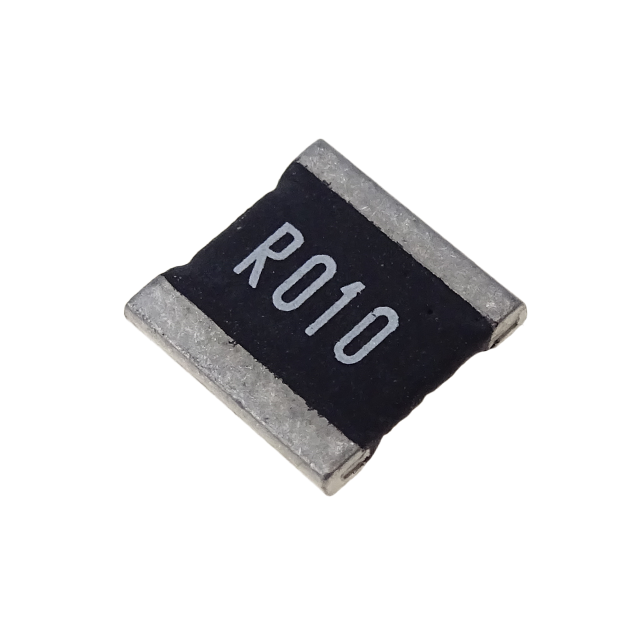
Key features: ultra-high current-carrying capability, ultra-high stability, ultra-low temperature drift, and low inductance at high frequency.
HoCG2728 Automotive Grade Molded Alloy Resistor

Alloy resistors, with their unique technical advantages—ultra-low resistance, low temperature drift, high power handling, low parasitic parameters, and strong pulse withstand capability—have become core components in current sensing, overload protection, and load matching circuits for EV charging stations.
Alloy Resistor Applications in New Energy