Application principles and scenarios of aluminum-cased resistors
author: Milliohm Electronics
2025-11-21
Resistance range: 0.01Ω~100kΩ
Power range: 10W~40KW
Accuracy: 1%~5%
Temperature range: -55℃~155℃
Power range: 10W~40KW
Accuracy: 1%~5%
Temperature range: -55℃~155℃
This article will explain the application of trapezoidal aluminum-cased resistors from the aspects of product characteristics, application principles, application scenarios, and selection considerations, providing relevant technical references for professionals in the fields of electronic engineering and power design.
I. Features of Aluminum-Cased Resistors
① Unique Heat Dissipation Structure Design
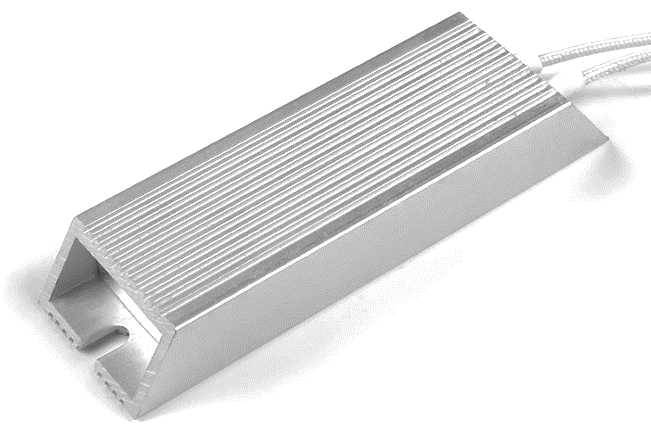
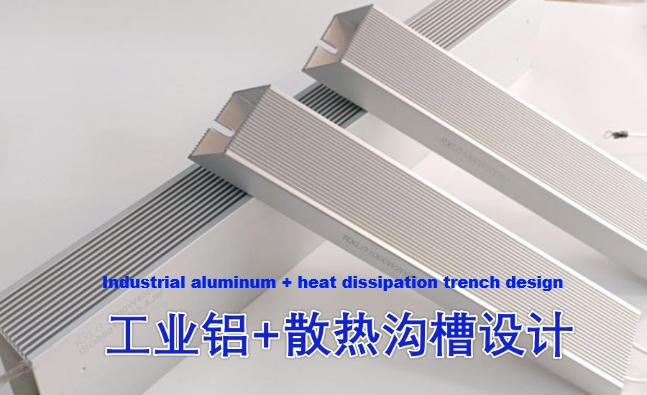
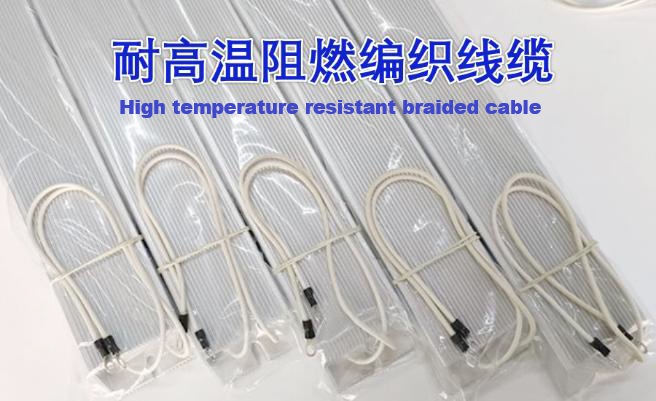
The trapezoidal aluminum-cased resistor features a trapezoidal casing, increasing the heat dissipation surface area compared to traditional rectangular aluminum-cased resistors. Multiple heat dissipation fins are arranged in a trapezoidal pattern on the casing, effectively enhancing air convection. Furthermore, its electrode leads are made of high-temperature resistant, flame-retardant braided cable. Under the same power load conditions, the heat dissipation efficiency of the trapezoidal aluminum-cased resistor is approximately 20%-30% higher than that of ordinary rectangular aluminum-cased resistors.
② High Power Handling Capacity
The trapezoidal aluminum-cased resistor uses high-performance alloy resistance wire combined with optimized packaging technology, resulting in excellent power handling capacity. It provides excellent protection against short-term high current surges.
③ Good Mechanical Strength and Vibration Resistance
The casing of the trapezoidal aluminum-cased resistor is made of high-strength aluminum alloy material, processed through precision die-casting and surface treatment, giving it high mechanical strength. This structure not only resists external mechanical impacts but also maintains stable performance in vibration environments.
④ Flexible Installation Methods
The trapezoidal sides can be tilted or stacked to achieve installation according to actual needs, maximizing space savings on the circuit board. This flexible installation method improves space utilization and facilitates circuit design and assembly in space-constrained electronic devices, such as small communication base stations and compact power modules.
II. Application Principles
① Current Limiting Principle
Based on Ohm's Law (I = U/R), when a trapezoidal aluminum-cased resistor is connected to a circuit, the current in the circuit can be limited by appropriately selecting the resistance value. At the moment of power-on, a large inrush current often occurs, which may damage sensitive components in the circuit. Connecting a suitable aluminum-cased resistor in series can effectively suppress the inrush current. As the circuit enters a stable operating state, the resistor can be short-circuited via a relay or other control element to restore the circuit to normal operating current.
② Voltage Divider Principle
In a series circuit, the voltage distribution is directly proportional to the resistance value. When an aluminum-cased resistor is connected in series with other circuit components, it can distribute the power supply voltage reasonably according to its proportion of the total resistance. In signal conditioning circuits, by adjusting the resistance ratio of the aluminum-cased resistor to other resistors, the voltage signal output by the sensor can be adjusted to a voltage range suitable for subsequent circuit processing, achieving precise signal conditioning and conversion.
③ Principle of Electrical Energy Conversion into Heat Energy
When current flows through an aluminum-cased resistor, according to Joule's law Q = I^2Rt, electrical energy is converted into heat energy. Thanks to its efficient heat dissipation structure, the aluminum-cased resistor can quickly dissipate the generated heat into the surrounding environment, playing a crucial role in applications where electrical energy needs to be consumed to generate heat, such as braking energy consumption.
III. Application Scenarios
① Industrial Sector—Used as Braking Resistors
In industrial automated production lines, frequency converters are one of the core pieces of equipment. When the motor is in braking mode, a large amount of regenerative energy is generated. If not handled promptly, this can cause the DC bus voltage of the frequency converter to rise, affecting the safe operation of the equipment. An aluminum-cased resistor, connected to the circuit as a braking resistor, can quickly convert the regenerative energy into heat energy and dissipate it, stabilizing the DC bus voltage. This prevents the DC bus voltage from becoming too high, thus protecting the frequency converter from damage.
② Power Electronics Sector
In UPS systems, trapezoidal aluminum-cased resistors are commonly used for simulated load testing and discharge protection. During routine maintenance and performance testing of UPS systems, connecting a trapezoidal aluminum-cased resistor as a simulated load allows for the detection of the UPS's output performance and endurance under different load conditions. Simultaneously, during UPS battery discharge, the trapezoidal aluminum-cased resistor acts as a discharge resistor, safely dissipating the energy stored in the battery and preventing damage caused by over-discharge or accidental short circuits.
③ New Energy Vehicle Sector
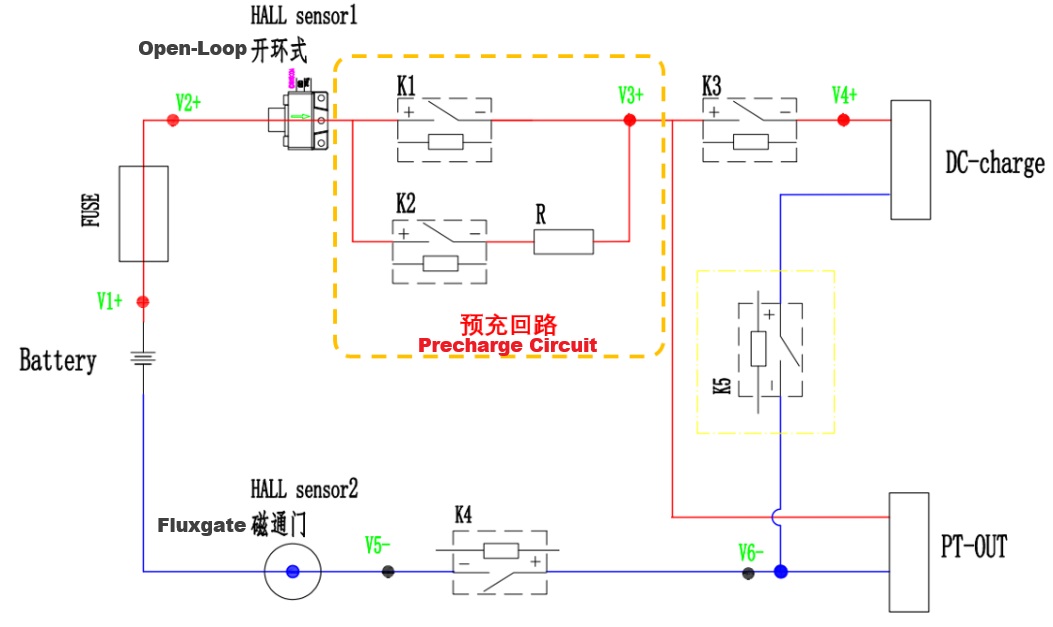
In the Battery Management System (BMS) of new energy vehicles, trapezoidal aluminum-cased resistors are used for pre-charging and overcurrent protection. During vehicle power-on, to prevent large currents from impacting the battery and circuitry, pre-charging is performed through trapezoidal aluminum-cased resistors to gradually build up the system voltage. Furthermore, when an overcurrent fault occurs in the battery system, the trapezoidal aluminum-cased resistor can quickly convert excess current into heat energy, protecting the battery and related circuit components and ensuring the reliable operation of the new energy vehicle. As shown in Figure 2, resistor R plays a protective role in the pre-charging circuit.
IV. Conclusion
Trapezoidal aluminum-cased resistors, with their unique structural design and superior performance characteristics, play a crucial role in multiple fields. A thorough understanding of their product features, application principles, and application scenarios allows for more rational selection and use of trapezoidal aluminum-cased resistors in practical engineering applications, fully leveraging their advantages to ensure the stable and efficient operation of electronic circuits and power systems.
Note: For further information on products, solutions, or specific application scenarios, please feel free to contact our technical support.
HoT-D (Plastic Encapsulated - D): High Current Surface Mount Jumper 0R Resistor
Application of alloy resistors in automotive EPS systems
Related Article
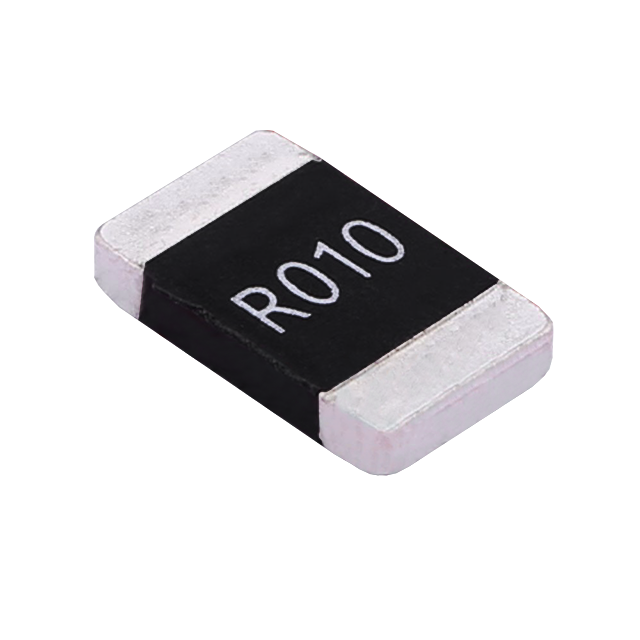
Key performance features: high power handling, ultra-low temperature drift, high overload withstand capability, low inductance at high frequency, and automotive-grade high reliability.
HoCG4527 Automotive Grade Molded Alloy Resistor
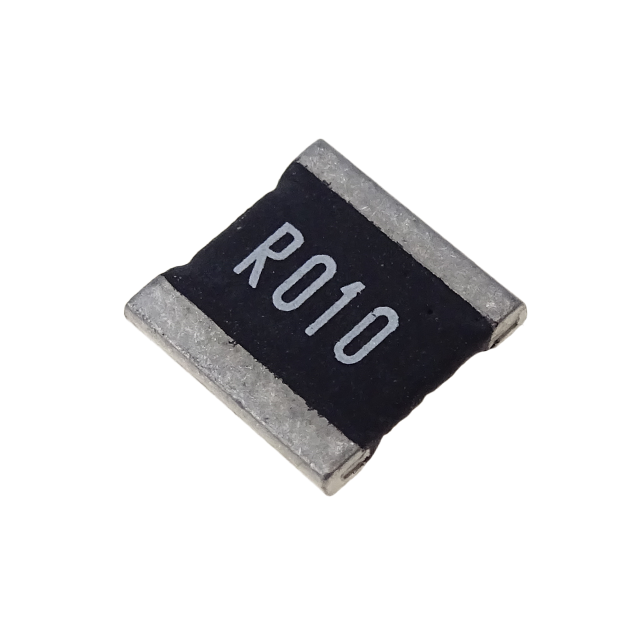
Key features: ultra-high current-carrying capability, ultra-high stability, ultra-low temperature drift, and low inductance at high frequency.
HoCG2728 Automotive Grade Molded Alloy Resistor

Alloy resistors, with their unique technical advantages—ultra-low resistance, low temperature drift, high power handling, low parasitic parameters, and strong pulse withstand capability—have become core components in current sensing, overload protection, and load matching circuits for EV charging stations.
Alloy Resistor Applications in New Energy