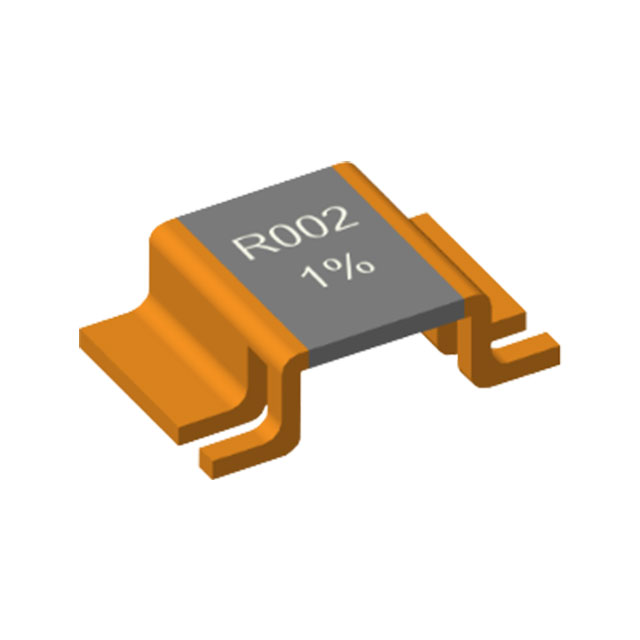
Application of alloy resistors in the charging pile industry
author: Milliohm Electronics
2026-01-31
I. Application Scenarios of Alloy Resistors in Charging Piles
① Current Sampling Stage
The charging process of a charging pile requires real-time and accurate monitoring of the output current to achieve precise control of charging power and stable feedback of charging status. Alloy resistors, as high-precision sampling elements, are connected in series in the main circuit of the charging pile. Utilizing their precise resistance characteristics, they convert the current signal into a voltage signal, which is then transmitted to the MCU (Microcontroller Unit) for processing. Compared to ordinary carbon film resistors and metal film resistors, the resistance accuracy of alloy resistors can reach ±0.01%~±1%, effectively ensuring the accuracy of current sampling and avoiding problems such as uncontrolled charging power and battery overcharging caused by sampling deviations.
② Overcurrent/Short Circuit Protection Stage
Under extreme operating conditions (such as aging lines, abnormal loads, or short circuit faults), charging piles may experience large current surges. If the circuit is not cut off in time, it can lead to equipment damage or even safety accidents. Alloy resistors possess excellent impact resistance and stable temperature characteristics. While their resistance may slightly change with temperature during overcurrent or short circuits, they maintain a stable operating state. Combined with a protection chip, they quickly detect abnormal current signals, triggering the circuit's cutoff mechanism and providing dual protection for the charging pile's power module, main control unit, and new energy vehicle battery. Simultaneously, the high power load capacity of the alloy resistors ensures they are not burned out under short-term high-current surges, providing sufficient time for the protection mechanism to activate.
③ Auxiliary Power Supply Circuit
The auxiliary power supply of the charging pile provides a stable low-voltage power supply to the control system, display module, and communication module. Its operational stability directly affects the overall reliability of the charging pile. Alloy resistors can be used as current-limiting resistors in the auxiliary power supply circuit. By precisely controlling the current magnitude, they prevent damage to the auxiliary power supply module due to overload, while ensuring the stability of the low-voltage power supply and guaranteeing the normal operation of all auxiliary modules.
II. Technical Advantages of Alloy Resistors in the Charging Pile Industry
① Low Temperature Coefficient and Strong Environmental Adaptability
Charging piles are mostly deployed outdoors, facing complex climatic conditions such as high and low temperatures and large diurnal temperature variations. The temperature stability of the resistor directly affects its performance. Alloy resistors are made of high-quality materials such as copper-nickel alloys and manganese-copper alloys, with a temperature coefficient as low as ±5ppm/℃ to ±25ppm/℃, far superior to ordinary resistors (usually above ±100ppm/℃). Within a wide temperature range of -40℃ to 170℃, their resistance changes very little, ensuring accurate sampling and protection performance even in extreme environments, making them suitable for the harsh working environment of outdoor charging piles.
② High Power Density and Compact Size
As charging piles develop towards higher power and miniaturization, higher requirements are placed on the power density and size of internal components. Alloy resistors, through special packaging processes (such as alloy bare die packaging and power surface mount packaging), can achieve high power loads (common power specifications are 1W~20W, or even higher) within a smaller volume, with a power density far exceeding that of traditional resistors. Its compact size facilitates optimized internal circuit layout in charging piles, providing space support for the integration of high-power modules and contributing to the miniaturization and lightweight design of charging piles.
③ High Stability and Long Service Life
As a long-term operating infrastructure, charging piles have extremely high requirements for the service life and stability of components. Alloy resistors possess excellent anti-aging and anti-corrosion properties, exhibiting minimal resistance drift and stable performance under long-term current loads and complex environments. Compared to ordinary resistors, their service life can be extended by 3-5 times, effectively reducing maintenance costs and improving the overall reliability of the equipment.
III. Conclusion
With its high precision, low temperature coefficient, and high power density, alloy resistors play an irreplaceable role in key aspects of charging piles such as current sampling and overcurrent protection, making them one of the core components ensuring the safety and stability of charging piles. For technical support work, a thorough understanding of the application characteristics and selection points of alloy resistors can effectively improve the efficiency of troubleshooting charging pile equipment and the quality of technical services.
Note: This document is subject to change without notice. If you would like to learn more about our products or solutions, or their application in specific scenarios, please feel free to contact our technical support.
Compared to current transformers, the core application advantages of shunts
Application Cases of Gold-Casted Aluminum Resistors in Automobiles
Related Article
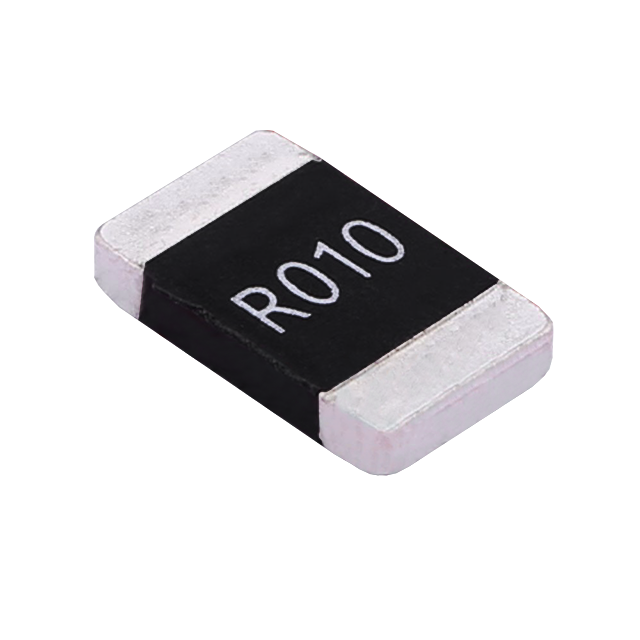
Key performance features: high power handling, ultra-low temperature drift, high overload withstand capability, low inductance at high frequency, and automotive-grade high reliability.
HoCG4527 Automotive Grade Molded Alloy Resistor
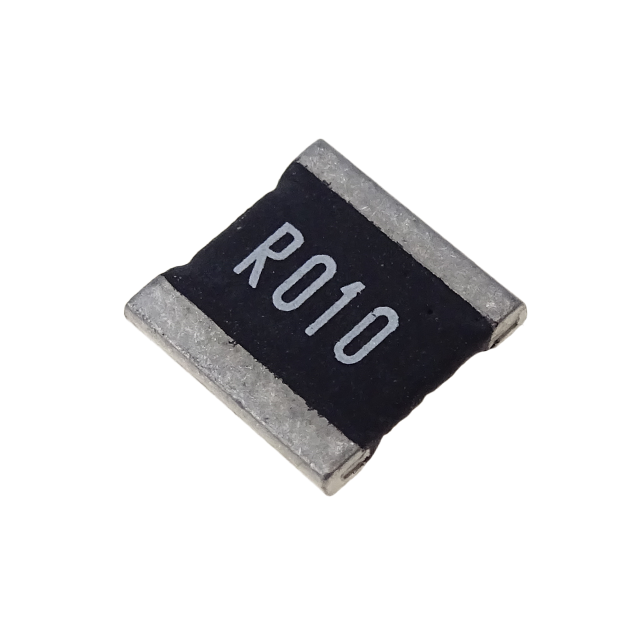
Key features: ultra-high current-carrying capability, ultra-high stability, ultra-low temperature drift, and low inductance at high frequency.
HoCG2728 Automotive Grade Molded Alloy Resistor

Alloy resistors, with their unique technical advantages—ultra-low resistance, low temperature drift, high power handling, low parasitic parameters, and strong pulse withstand capability—have become core components in current sensing, overload protection, and load matching circuits for EV charging stations.
Alloy Resistor Applications in New Energy