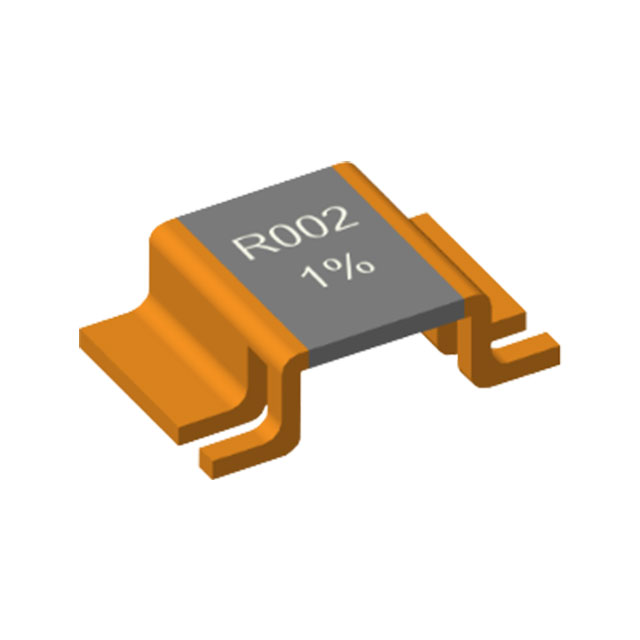
Application of alloy resistors in lighting
author: Milliohm Electronics
2026-01-31
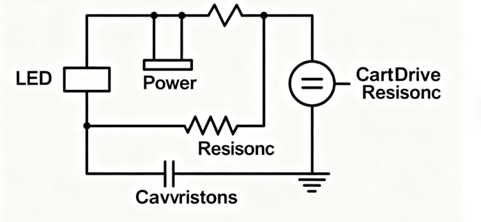
I. Core Functions and Principles
① Current Limiting Protection: Based on Ohm's Law, limits current to prevent LEDs and other components from burning out due to overcurrent (e.g., LED rated current is typically <20mA).
② Voltage Stabilization and Dividing: Balances circuit voltage to ensure uniform brightness of the lamp (adapts to different power supply voltages).
③ Dimming Control: Adjusts current through variable resistors to achieve stepless brightness adjustment (supports PWM dimming technology).
④ Fault Protection: Suppresses surge current, buffers circuit abrupt changes, and extends lamp life.
Stable LED Power Supply + Interference Suppression

II. Typical Application Scenarios
① General LED Lighting: Bulbs, tubes, panel lights
② Intelligent Lighting Systems: Dimmable table lamps, intelligent taillights
③ Special Lighting: LED displays, traffic lights (relying on balancing resistors to ensure consistent brightness)
④ Protection Circuit: Series LED fault protection (current-limiting resistors suppress current abrupt changes).
Typical Applications of Surface Mount Resistors in LEDs

III. Typical Requirements and Selection (Core Selection Points):
① ① Power Selection: Calculate the required resistor power based on the power consumption of the lighting equipment, reserving a 30%~50% power margin (e.g., for equipment power consumption of 1W, select a 1.5W~2W resistor).
② Temperature Selection: For high-temperature scenarios (such as inside luminaires), alloy resistors with a temperature coefficient ≤±50ppm/℃ are preferred.
③ Accuracy Selection: Use high-precision resistors (±1% and below) for drive circuits and intelligent control modules; ±5% accuracy resistors can be used for ordinary lighting circuits.
④ Installation Method Selection: Use surface-mount resistors (0805, 1206 packages) for compact luminaires; use through-hole power resistors for high-power scenarios.


Note: This document is subject to change without notice. For further information on products or solutions, or applications in specific scenarios, please contact technical support.
Understanding Sampling Resistors in One Article
Compared to current transformers, the core application advantages of shunts
Related Article
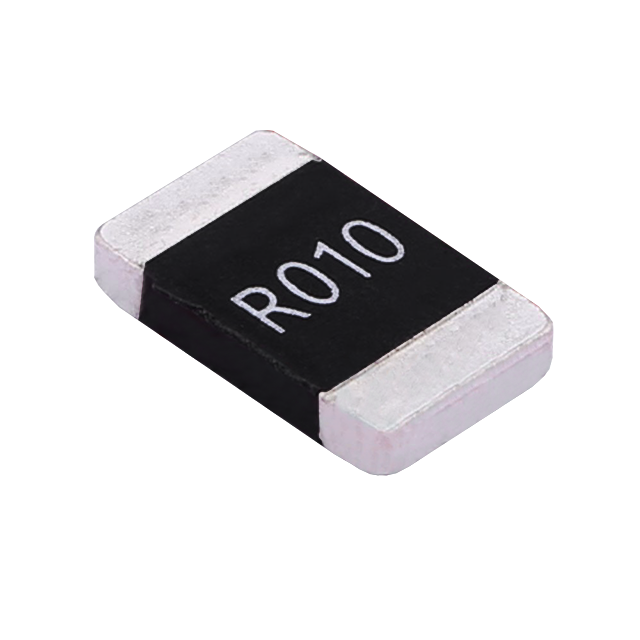
Key performance features: high power handling, ultra-low temperature drift, high overload withstand capability, low inductance at high frequency, and automotive-grade high reliability.
HoCG4527 Automotive Grade Molded Alloy Resistor
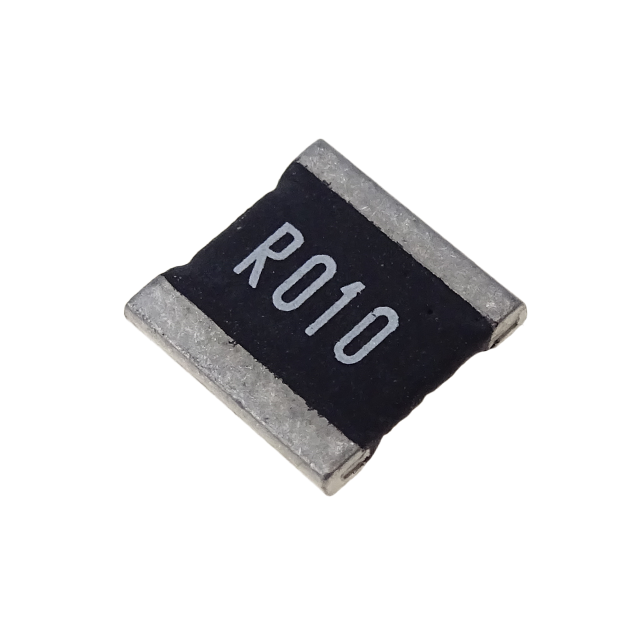
Key features: ultra-high current-carrying capability, ultra-high stability, ultra-low temperature drift, and low inductance at high frequency.
HoCG2728 Automotive Grade Molded Alloy Resistor

Alloy resistors, with their unique technical advantages—ultra-low resistance, low temperature drift, high power handling, low parasitic parameters, and strong pulse withstand capability—have become core components in current sensing, overload protection, and load matching circuits for EV charging stations.
Alloy Resistor Applications in New Energy