Application Analysis and Selection Guide for Alloy Resistors in Precision Equipment
I. Application Analysis of Relevant Circuits
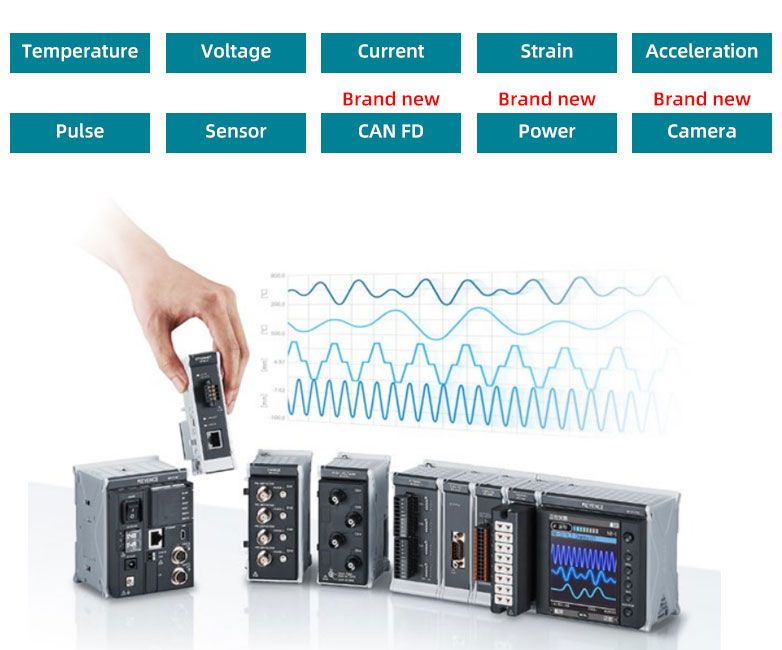
① Multi‑channel Data Acquisition Instrument
-
Application circuits: Analog signal acquisition, current/voltage sensing, high‑precision measurement
-
Application analysis: This type of instrument focuses on "multi‑channel data acquisition" and needs to accurately capture analog signals such as strain, temperature, current, power, and voltage. Alloy resistors offer high precision (low tolerance) and a low temperature coefficient (TCR). These features help reduce errors caused by self‑heating or ambient temperature changes when measuring large currents or tiny voltages, ensuring data accuracy. In addition, their high power density supports long‑term, stable operation without risk of resistor burnout.
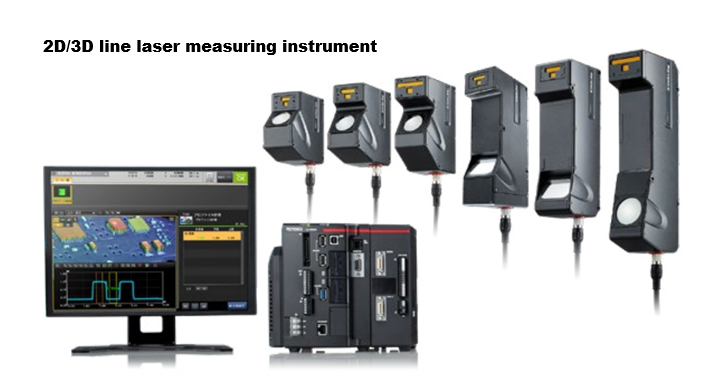
② 2D/3D Line Laser Profiler
-
Application circuits: Laser emission module power supply, current drive circuit, signal feedback regulation
-
Application analysis: A line laser profiler relies on a highly stable laser output, which requires precise control of the laser diode drive current. A signal feedback circuit continuously adjusts the power to maintain measurement accuracy (often advertised as "ultra‑high precision"). Alloy resistors can be used as current sensing resistors in series with the laser drive circuit, accurately monitoring the drive current and feeding the signal back to the control chip for closed‑loop regulation.
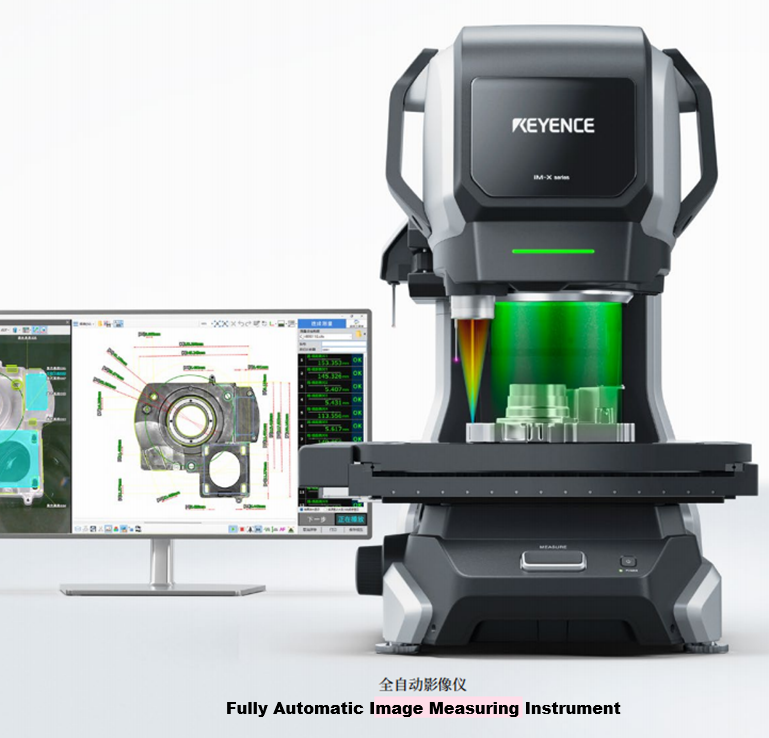
③ Fully Automatic Vision Measuring Machine, High‑Magnification Fully Automatic Vision Measuring Machine, etc.
-
Application circuits: Lens drive motor control, light source power regulation, displacement and positioning feedback
④ Laser Marking Machine, Laser Engraving Machine, Laser Etching Machine, etc.
-
Application circuits: Laser tube drive power, high‑frequency current sampling, power regulation
-
Application analysis: The core requirement of laser equipment is stable laser power output, which directly affects marking/engraving precision. The drive current of the laser tube must be precisely controlled. Alloy resistors serve as high‑precision current sensing resistors in this application.
⑤ Sensor Products (Displacement Sensor, Pressure Sensor, Flow/Level Sensor, etc.)
-
Application circuits: Sensor signal amplification, power supply voltage stabilization, signal calibration
-
Application analysis: Alloy resistors can be used as voltage dividers or load resistors for signal calibration and voltage regulation. They can also act as overcurrent protection elements to prevent sensor damage caused by excessive current.
II. Recommended Milliohm Alloy Resistor Series
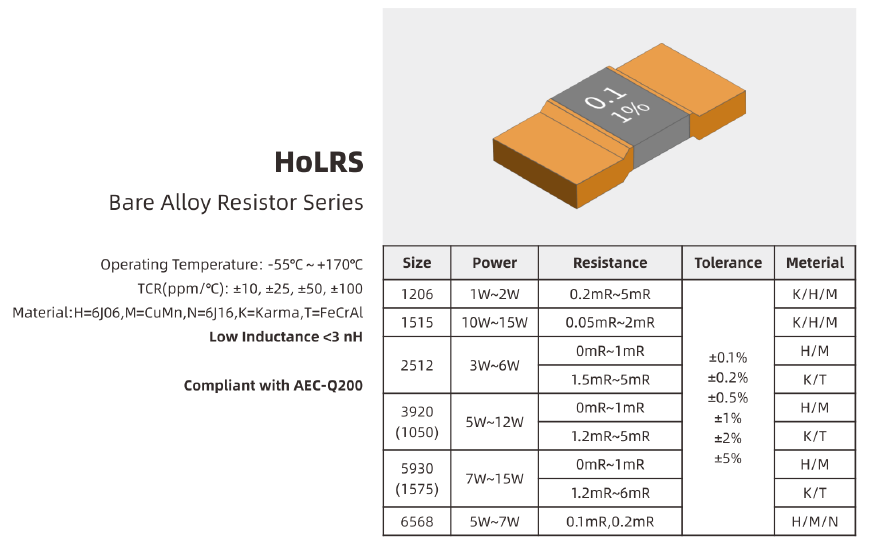
① Ultra‑low resistance bare automotive‑grade pure alloy series

② Kelvin sensing structured alloy resistor series
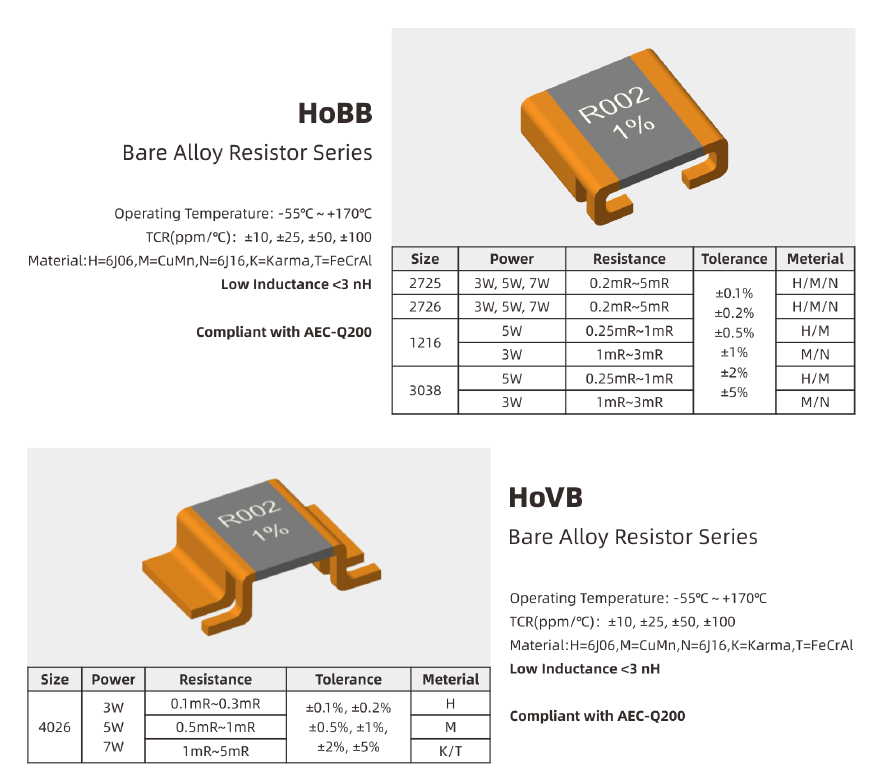
③ Overmolded automotive‑grade pure alloy resistor series
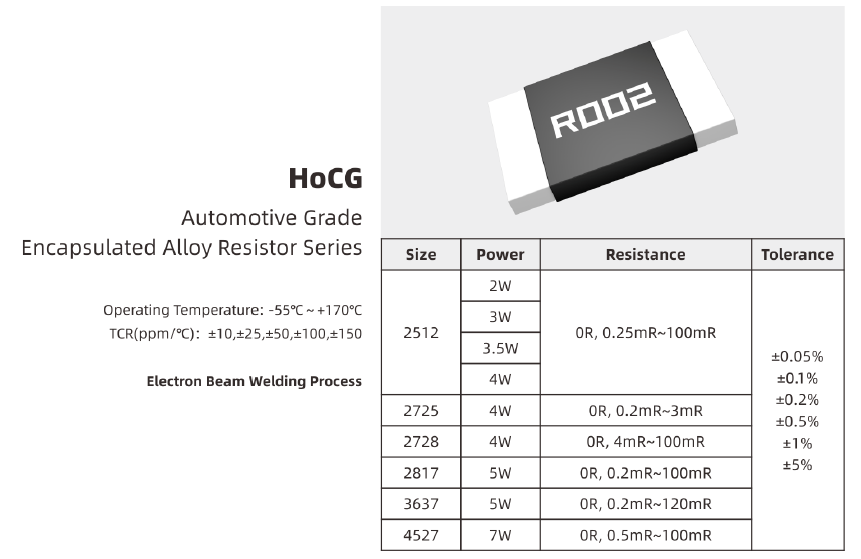
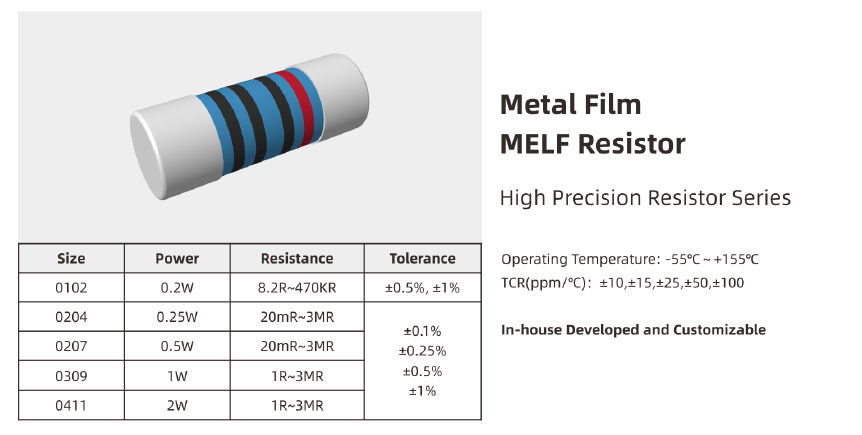
④ Ultra‑high precision cylindrical chip resistors
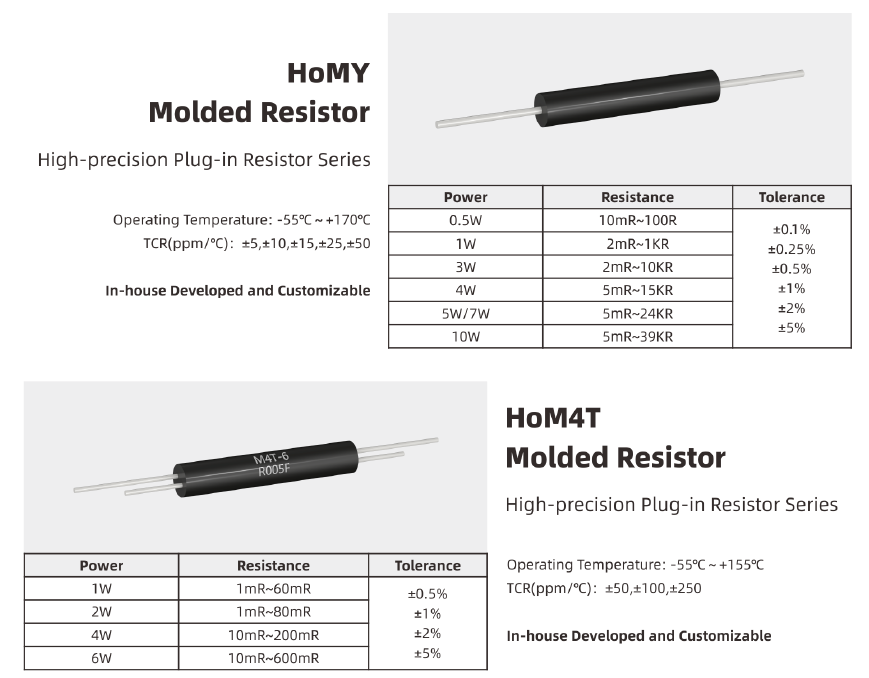
⑤ High‑precision through‑hole package resistor series
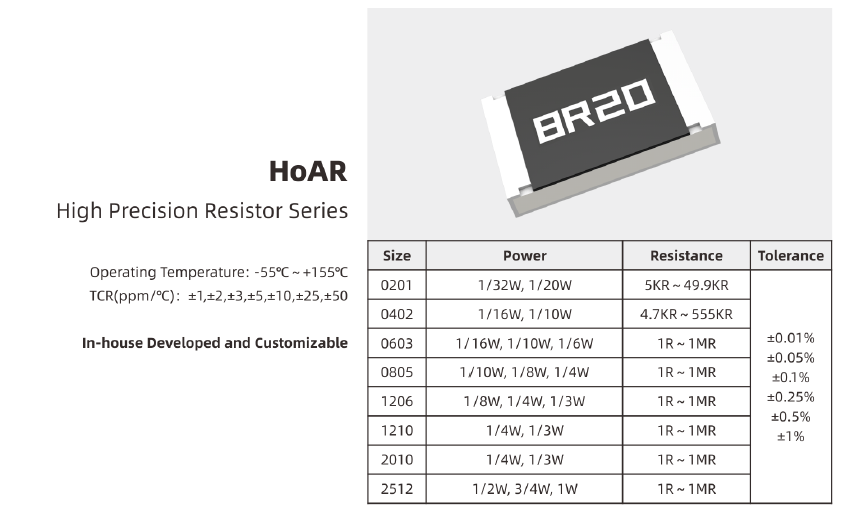
⑥ High‑resistance, small‑package thin film product series
⑦ Custom non‑standard high‑precision resistors
III. Conclusion
The key advantages of Milliohm Electronics alloy resistors are low resistance, high precision, low TCR, compact size, high power rating, low inductance, and robust performance under harsh conditions. For product replacement or application matching, refer to the specification ranges of the recommended series above, focusing on the four critical parameters: resistance value, precision, TCR, package size, and power rating. This will fully meet the high‑precision, advanced performance requirements of your product.
If you would like to learn more about our products, solutions, or applications in specific scenarios, please feel free to contact our technical support team.
Current Transformer vs. Shunt: Principle Analysis and Core Differences
Anti-detachment technology for the soldering of alloy resistors and bus bars
Related Article